Analyzing How Cross-Border Regulatory Harmonization Affects Bonus Structures in Online Live Dealer Offerings
Iris Coleman · Jun 10, 2026
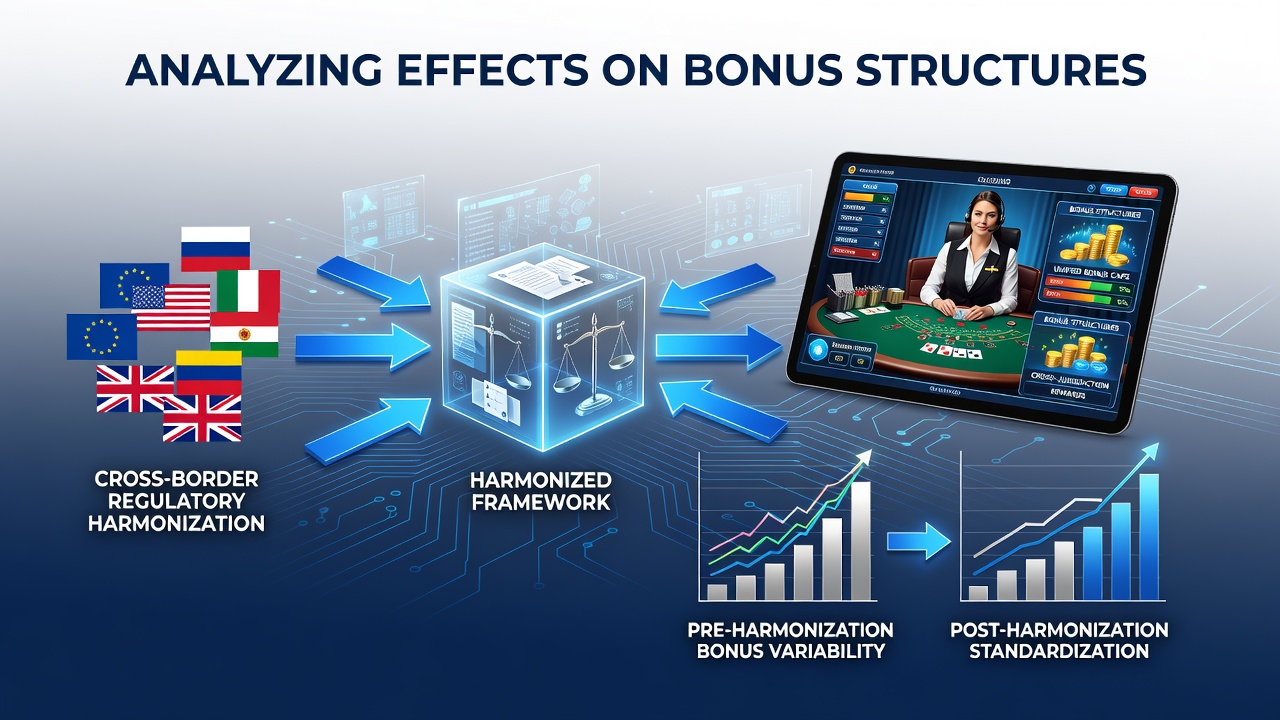
Analyzing How Cross-Border Regulatory Harmonization Affects Bonus Structures in Online Live Dealer Offerings
Cross-border regulatory harmonization continues to reshape bonus structures in online live dealer offerings as jurisdictions align standards for transparency, player protections, and fair play requirements. Operators must adjust promotional terms across multiple markets to meet unified criteria on wagering contributions, maximum bonus amounts, and game eligibility. This process affects how live dealer platforms structure welcome packages, reload incentives, and loyalty rewards tied to table games such as blackjack, roulette, and baccarat.
Foundations of Regulatory Alignment
Multiple international bodies have advanced efforts to synchronize rules governing online gambling promotions since the early 2020s. Data from the European Commission indicates that directives on consumer rights and digital services have prompted member states to coordinate bonus disclosure rules, while similar initiatives in Asia-Pacific regions focus on standardized audit protocols for live dealer streams. These alignments reduce discrepancies in how operators calculate contribution percentages from live table games toward bonus clearing, creating more consistent frameworks across borders.
Observers note that harmonization often targets bonus abuse prevention through shared know-your-customer thresholds and unified maximum payout caps. Research from the Gambling Research Exchange Ontario shows that coordinated reporting requirements have led platforms to limit bonus values on live dealer sessions to percentages that comply with both originating and receiving jurisdictions simultaneously.
Direct Effects on Live Dealer Bonus Mechanics
Harmonized rules frequently impose identical wagering multipliers for live dealer bonuses regardless of player location. This standardization means operators redesign deposit match offers to apply uniform playthrough conditions, such as 30x or 40x requirements that incorporate only specific table game contributions. Figures from industry reports reveal that live roulette bonuses now carry lower contribution rates in aligned markets compared to slots, reflecting joint efforts to balance risk across casino verticals.
Those who manage multi-jurisdictional platforms observe adjustments in time-bound promotions, where bonus expiration periods must satisfy the strictest participating regulator. June 2026 marks the scheduled implementation phase for updated trans-Pacific guidelines that will further restrict how operators allocate free bet credits in live dealer environments, forcing revisions to existing loyalty structures.
Regional Examples and Implementation Patterns
European markets provide clear illustrations of these shifts. Platforms operating under aligned EU frameworks have consolidated bonus terms so that a single set of rules governs live dealer access for players in multiple countries, eliminating previously varied cashback percentages. In North America, provincial agreements in Canada have produced comparable outcomes, with operators standardizing how progressive jackpot contributions from live tables factor into bonus eligibility.

Australian regulatory updates, coordinated through the Australian Communications and Media Authority, have influenced bonus structures by requiring transparent display of live dealer game weighting in all promotional materials. Operators report that these changes streamline compliance while reducing the complexity of maintaining separate bonus ledgers for different regions.
Operational Adjustments by Operators
Companies respond to harmonization by implementing centralized bonus engines capable of applying region-specific overrides within a unified system. This approach allows live dealer offerings to maintain competitive appeal while adhering to collective standards on minimum deposit thresholds and maximum bonus caps. Evidence from regulatory filings demonstrates that such adaptations have decreased the frequency of bonus disputes stemming from cross-border term variations.
Industry associations highlight that operators now conduct joint compliance audits to verify that live dealer bonus promotions meet harmonized criteria before launch. These audits cover aspects including stream certification, dealer training records, and real-time monitoring protocols that support bonus integrity across borders.
Challenges in Maintaining Competitive Structures
Despite progress, full alignment remains incomplete in several areas. Divergent tax treatments on bonus winnings continue to create friction, requiring operators to segment promotions by jurisdiction even under broader harmonization agreements. Data indicates that live dealer platforms have reduced the frequency of high-value reload bonuses in markets where unified loss limits apply, shifting focus toward volume-based loyalty tiers instead.
Stakeholders note ongoing work to reconcile differences in how regulators classify certain live dealer variants for bonus contribution purposes. Continued dialogue among oversight bodies aims to resolve these gaps through additional protocol agreements scheduled for later in 2026.
Conclusion
Cross-border regulatory harmonization drives measurable changes to bonus structures in online live dealer offerings through standardized wagering rules, disclosure requirements, and contribution frameworks. Operators adapt by centralizing systems and revising promotional mechanics to satisfy multiple aligned jurisdictions at once. As implementation milestones such as the June 2026 guidelines approach, further refinements to live dealer incentives are expected to emerge from ongoing international coordination. These developments continue to influence how platforms balance regulatory compliance with player engagement across global markets.