Decoding Banking Sector Partnerships and Their Ripple Effects on Roulette Payout Reliability Across Emerging Digital Markets
Carlo Schmidt · Jun 19, 2026
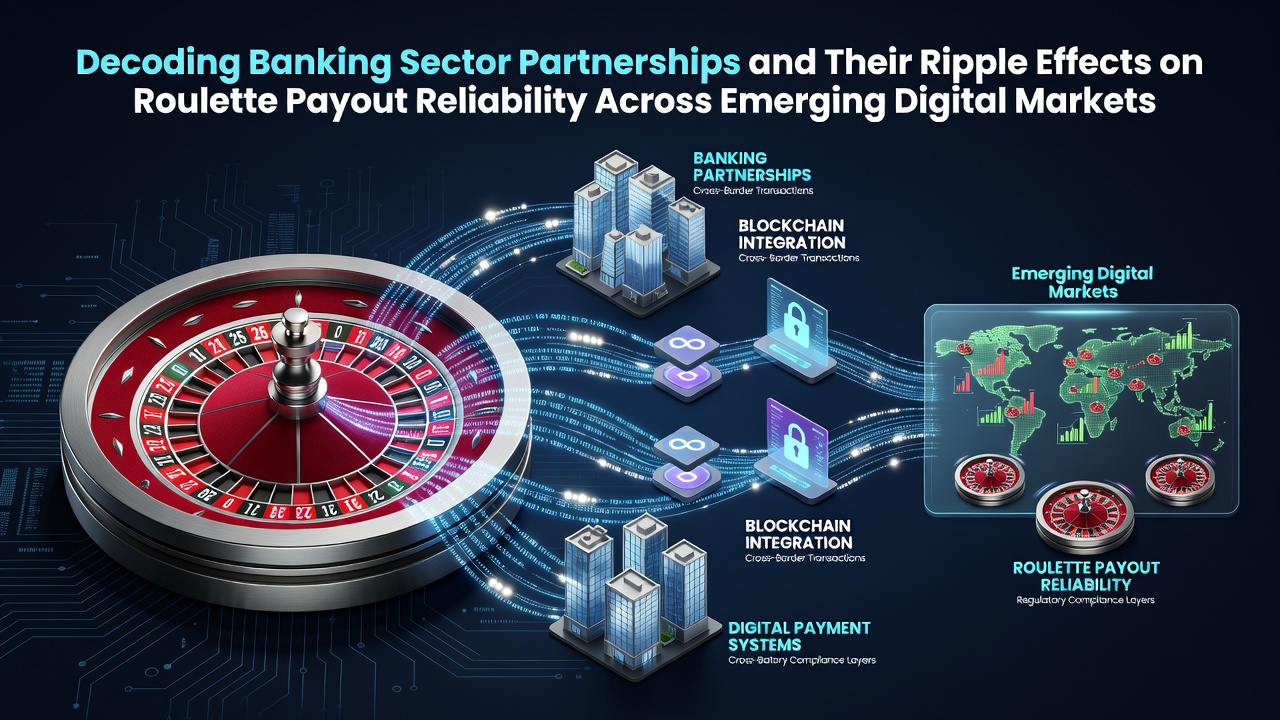
Decoding Banking Sector Partnerships and Their Ripple Effects on Roulette Payout Reliability Across Emerging Digital Markets
Banking sector partnerships with payment processors and fintech platforms have reshaped how online roulette operators handle fund transfers in emerging digital markets throughout Asia, Latin America, and parts of Africa. These alliances determine processing speeds, compliance checks, and settlement reliability for player withdrawals, particularly when roulette winnings move from operator accounts to end users. Data from recent industry reports shows that such collaborations often streamline verification steps while introducing new layers of oversight tied to anti-money laundering protocols.
Core Mechanics of Banking Partnerships in Digital Gaming
Financial institutions team up with specialized gateways to support real-time or near-instant transfers that online casinos rely on for roulette sessions. In markets where traditional banking infrastructure remains fragmented, these partnerships fill gaps by integrating APIs that connect casino platforms directly to local banks and mobile money systems. Observers note that operators gain access to faster clearing mechanisms, yet they must also navigate varying capital requirements and transaction monitoring rules set by partner banks. Research indicates that partnerships established since 2024 have reduced average payout windows for roulette winnings from several days to under 24 hours in select jurisdictions.
Effects on Payout Reliability and Processing Timelines
Reliability of roulette payouts hinges on the stability of these banking ties, because any disruption in the partnership chain can delay fund releases or trigger additional compliance reviews. Figures reveal that markets with mature banking alliances experience fewer rejected withdrawals compared to regions where operators depend on single-provider arrangements. When multiple banks participate in a single ecosystem, redundancy improves, allowing alternative routes for transfers during peak activity periods or regulatory audits. Those who track payment data across platforms report that roulette-specific bonuses and progressive wins clear more consistently when partnered institutions maintain direct connections to central clearing systems.
Regional Developments Observed Through Mid-2026
By June 2026, several emerging markets displayed measurable shifts in payout performance tied to updated banking agreements. In Southeast Asia, collaborations between regional banks and international processors have supported higher volumes of digital roulette traffic while maintaining compliance with cross-border transfer limits. Latin American operators working with local financial groups recorded improved success rates for instant withdrawals, particularly where central bank guidelines encouraged standardized API usage. African digital markets saw gradual adoption of similar models, with partnerships focusing on mobile-first solutions that align with growing smartphone penetration and local currency settlement needs. These patterns demonstrate how banking alignments influence both speed and consistency without altering underlying game mechanics.

Regulatory Influences and Compliance Layers
Regulatory frameworks in emerging markets often require banks to conduct enhanced due diligence on gaming-related transactions, which directly affects how quickly roulette payouts reach players. Partnerships that incorporate automated screening tools help operators meet these standards while preserving transaction velocity. According to guidance from the Monetary Authority of Singapore, integrated verification systems within banking alliances have contributed to more predictable settlement timelines for digital gaming operators. In parallel, reports from the Central Bank of Brazil highlight how joint initiatives between financial entities and licensed platforms reduced instances of payout holds linked to documentation shortfalls. Such measures create environments where roulette winnings transfer with fewer interruptions, although they also increase operational costs passed along the value chain.
Payment Protocol Variations Across Markets
Different regions employ distinct protocols shaped by their dominant banking partnerships, leading to varied outcomes for roulette payout reliability. Markets favoring open banking standards tend to show quicker reconciliation of player balances after large roulette wins, whereas those relying on closed-loop systems experience occasional bottlenecks during high-volume periods. Studies from academic institutions examining fintech adoption in emerging economies note that diversified banking relationships correlate with lower variance in payout success rates. Operators adapting to these conditions frequently maintain multiple active partnerships to route transactions through the most efficient channels available at any given moment.
Conclusion
Banking sector partnerships continue to exert measurable influence over roulette payout reliability in emerging digital markets by dictating processing infrastructure, compliance pathways, and settlement speed. As these alliances evolve through 2026 and beyond, data from regulatory bodies and industry analyses shows consistent patterns of improved predictability where multiple institutions participate. The resulting ecosystem supports sustained growth in digital roulette activity while embedding safeguards that address both operational and regulatory demands across diverse geographic contexts.