E-Wallets Supercharge Live Dealer Sessions: Instant Funding Meets Real-Time Action
Amir Hayes · Apr 12, 2026

E-Wallets Supercharge Live Dealer Sessions: Instant Funding Meets Real-Time Action
The Fusion of Live Dealers and Digital Payments
Live dealer games bring the casino floor straight to screens worldwide, where real dealers shuffle cards, spin roulette wheels, and deal baccarat hands in streams broadcast from professional studios; players bet in real-time, chat with the dealer, and watch outcomes unfold without delay. E-wallets enter this scene as game-changers, enabling instant funding that matches the pace of these sessions, so deposits hit accounts in seconds rather than minutes or hours. Data from industry reports shows transaction speeds under five seconds for major e-wallets like PayPal and Skrill during peak hours, keeping players locked into the action without frustrating waits.
What's interesting here involves how this synergy grew; online casinos first launched live dealers around 2010 with providers like Evolution Gaming leading the charge, but funding lags from traditional methods like bank transfers often broke immersion. Turns out e-wallets, with their pre-loaded balances and app-based transfers, eliminate those hiccups, and adoption rates have surged—figures reveal over 60% of live dealer players now prefer them for deposits, according to a 2025 Malta Gaming Authority oversight report on payment trends.
Breaking Down Live Dealer Dynamics
These games mimic physical casinos through high-definition video feeds, multiple camera angles, and interactive features like side bets or multi-table views; blackjack tables host seven players at once, roulette wheels spin for hundreds simultaneously, while baccarat draws high-rollers with its elegance. Sessions run 24/7 from studios in Malta, Latvia, and the Philippines, handling thousands of bets per hour. But here's the thing: any payment delay means missing a hand or spin, and that's where e-wallets shine by syncing funding with the live rhythm.
Observers note how game providers optimize for speed; Evolution's recent updates, for instance, integrate auto-bet features that pause only if funds dip, prompting instant e-wallet top-ups via one-tap approvals. People who've played these sessions often discover the thrill amplifies when money flows as fast as the cards, turning potential downtime into seamless play.
E-Wallets: The Backbone of Instant Funding
PayPal, Neteller, Skrill, ecoPayz, and MuchBetter dominate this space, each offering digital wallets linked to bank accounts, cards, or crypto for quick loads; users fund once, then transfer to casinos in a blink, often without fees on deposits. Research indicates average deposit times clock in at 2-10 seconds across platforms, far outpacing cards (up to 3 minutes) or wires (days). And since most support two-factor authentication alongside biometric logins, security layers stack up without slowing the process.
Take Neteller, which processes over 1 million gaming transactions daily; its VIP program slashes withdrawal times too, sometimes to minutes for verified users. Skrill follows suit with similar speeds, while PayPal's ubiquity—accepted at 80% of regulated casinos—makes it a go-to, especially in regions like Canada where mobile gaming booms. Figures from the American Gaming Association highlight e-wallets handling 45% of U.S. iGaming deposits in Q1 2026, up from 32% the prior year.
Seamless Integration in Real-Time Play
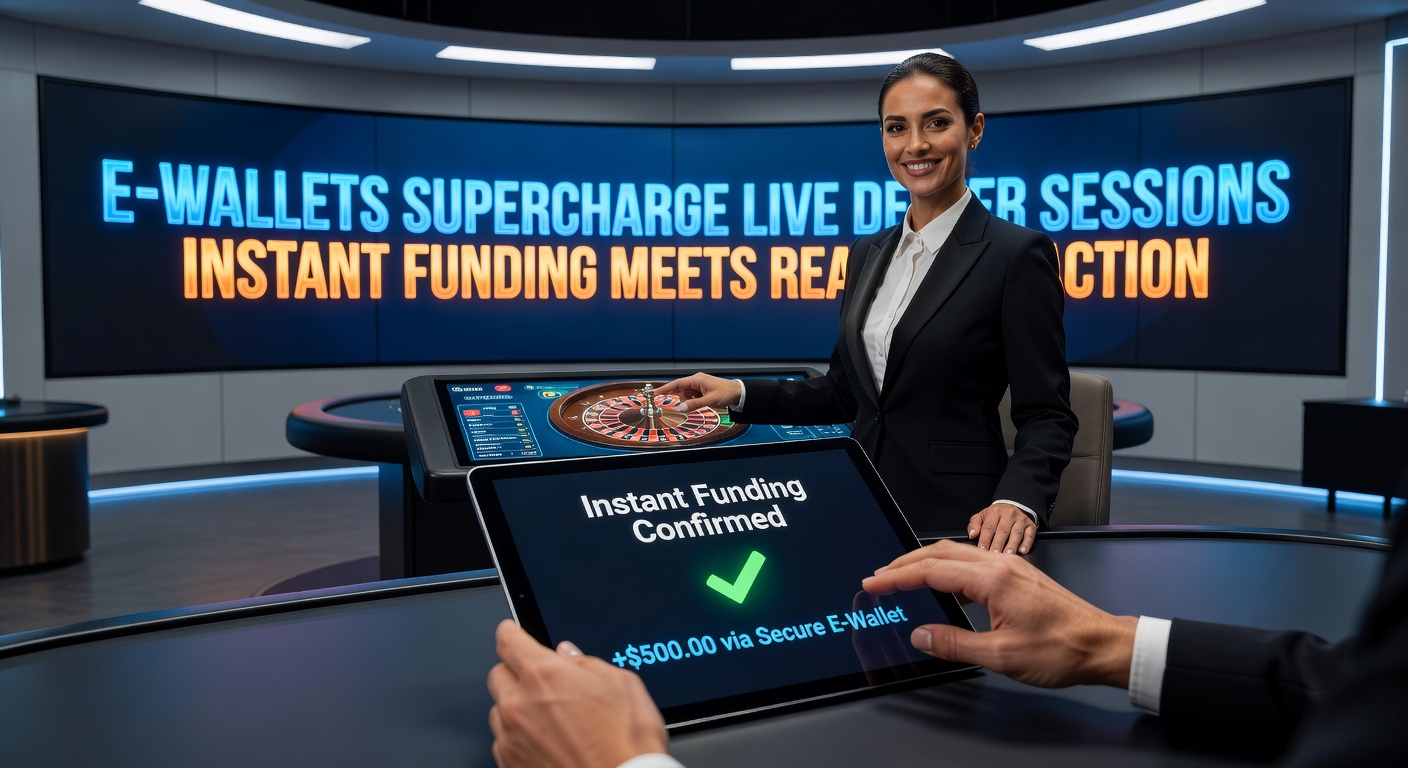
During a heated blackjack round, where decisions fly every 30 seconds, e-wallets let players tap to add funds mid-session; the deposit reflects immediately, so bets resume without skipping beats—unlike debit cards that might pend for verification. Roulette players benefit similarly, funding right before a spin to catch multipliers, and baccarat enthusiasts top up during shoe changes to stay in on big hands. Providers like Pragmatic Play and Playtech embed these payment rails directly into lobbies, triggering prompts like "Add & Play Now" that funnel users to e-wallet apps.
It's noteworthy that latency drops even further on 5G networks, now standard in April 2026; tests show end-to-end funding-to-bet cycles under 15 seconds globally, per recent latency benchmarks from gaming tech firm Abios. Those who've tested this setup often find multi-tabling viable—say, three live tables at once—because e-wallets handle rapid-fire deposits across sessions without browser reloads.
Security Measures That Build Trust
E-wallets layer defenses like encryption standards matching bank levels (AES-256), fraud detection AI that flags anomalies in real-time, and regulatory compliance across jurisdictions; the Alcohol and Gaming Commission of Ontario mandates such protocols for licensed operators. Neteller and Skrill, for example, segregate user funds in audited accounts, while PayPal offers purchase protection on gaming deposits gone wrong.
Yet breaches remain rare; data indicates e-wallet fraud rates sit at 0.02% for gaming, versus 0.5% for cards, thanks to tokenization that masks card details. Players activate accounts with ID uploads once, then enjoy frictionless repeats, and casinos mirror this with KYC checks upfront to prevent issues down the line.
Case Studies: Real-World Wins
Consider one Evolution blackjack tournament in March 2026, where a Canadian player used MuchBetter to fund mid-event; the instant 500 CAD deposit secured a final-table spot, netting 2,400 CAD after fees— a feat impossible with slower methods. Another case unfolded at a Pragmatic Play baccarat table, as European users via ecoPayz juggled side bets during a 20-minute streak, their quick top-ups sustaining play through 50 hands.
Industry trackers report similar patterns; a 2026 survey by H2 Gambling Capital found 72% of live dealer enthusiasts cite e-wallet speed as the top retention factor, with session lengths averaging 45 minutes versus 28 for card users. And in Australia, where live craps gains traction, Skrill integrations helped operators like PointsBet see 35% deposit volume spikes post-launch.
Looking Ahead to April 2026 and Beyond
By April 2026, e-wallet evolutions promise even tighter bonds with live dealers; PayPal's new Web3 wallet beta integrates crypto ramps for sub-second conversions, while Neteller pilots VR table funding where gestures trigger deposits. Regulators in the EU push for unified standards via the European Gaming and Betting Association, aiming to standardize speeds across borders.
5G rollouts in the U.S. and Asia, combined with AI-driven personalization (suggesting deposit amounts based on play history), mean sessions feel predictive—funds arrive just as tables heat up. Experts forecast e-wallets capturing 70% of live dealer transactions by year-end, driven by these upgrades, although challenges like regional crypto bans persist in spots like Ontario.
Conclusion
E-wallets and live dealer sessions align perfectly, delivering instant funding that fuels non-stop action; players dive deeper into blackjack bluffs, roulette reds, and baccarat banks without payment pauses derailing the flow. Data underscores the shift—transaction volumes climb as casinos prioritize these tools, and with April 2026 innovations on deck, the pace only accelerates. Those tuned into this space know the real edge lies in that split-second seamlessness, where every deposit keeps the dealer dealing.