Examining How Diverse Payment Protocols Influence Accessibility Trends in Global Digital Roulette Communities
Carlo Schmidt · May 22, 2026
Examining How Diverse Payment Protocols Influence Accessibility Trends in Global Digital Roulette Communities
Payment protocols shape participation patterns across digital roulette platforms because different systems carry distinct requirements for verification, transaction speed, and regional availability. Observers note that communities in established markets often rely on established banking networks while emerging regions turn to alternative channels that bypass traditional infrastructure limitations. Data from industry reports shows these variations create measurable differences in who can join sessions and how frequently they participate.
Core Payment Categories and Their Reach
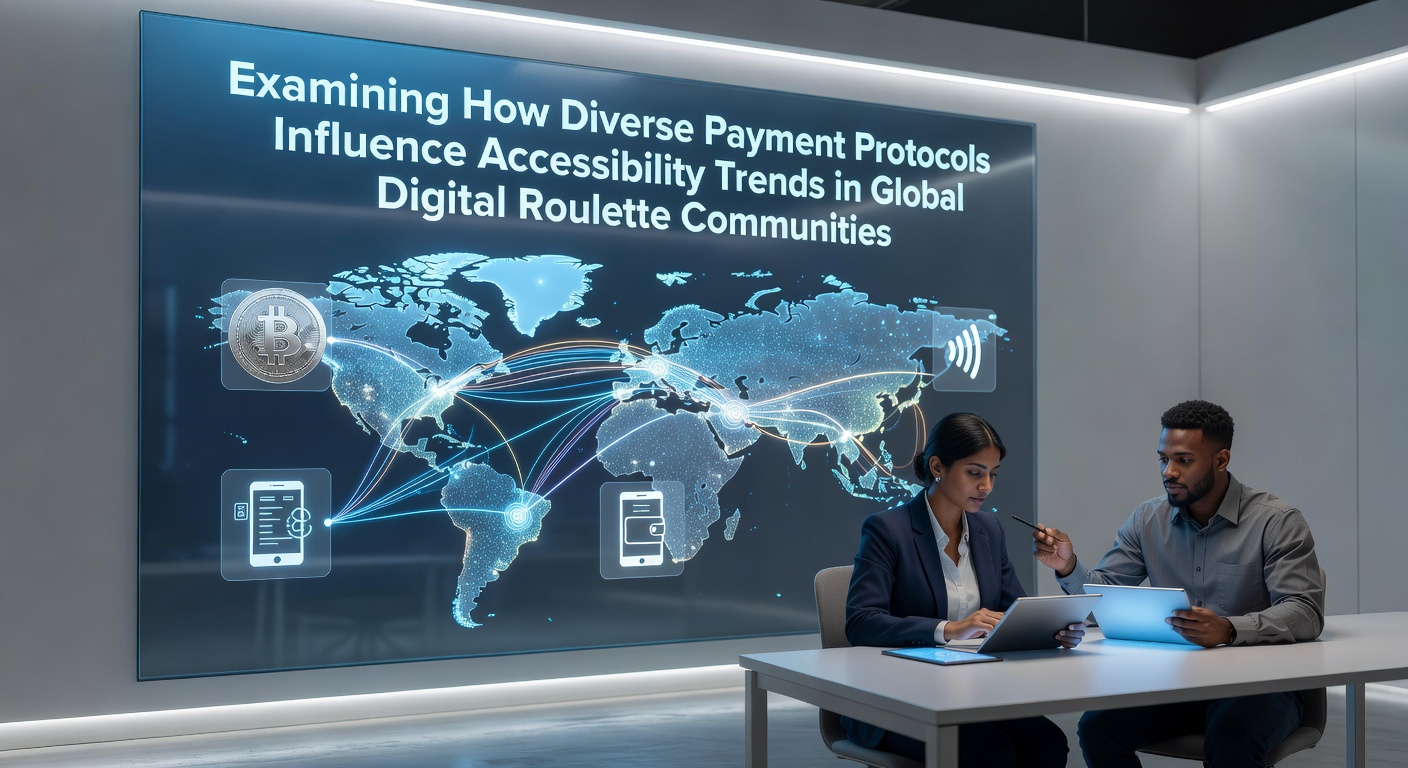
Traditional bank transfers and card-based systems continue to dominate in North America and parts of Europe where banking penetration remains high, yet these methods introduce delays that range from one to three business days. In contrast, digital wallets and instant transfer services reduce friction for users in urban centers across Southeast Asia and Latin America, where mobile penetration outpaces fixed banking branches. Cryptocurrency options appear in select communities as a workaround for cross-border restrictions, allowing participants in areas with capital controls to maintain activity without repeated currency conversions.
Regional Patterns Emerging in Mid-2026
By May 2026, figures from the American Gaming Association reveal that U.S.-based digital roulette operators recorded a 14 percent increase in active accounts linked to instant bank verification tools compared with the same period in 2025. Meanwhile, operators targeting Australian audiences report stronger uptake of digital wallet integrations after regulatory updates clarified transaction reporting thresholds. European platforms show mixed results because some jurisdictions require additional identity layers that slow onboarding for new users from Eastern member states.
Those who track participation metrics observe that accessibility widens when platforms support at least three distinct protocol types, because players facing one temporary blockage can switch without leaving the community. Research conducted through university-affiliated gaming studies indicates that communities offering cryptocurrency alongside local mobile payment systems retain users longer in regions where conventional cards carry high foreign transaction fees.
Speed, Fees, and Inclusion Effects
Transaction costs directly affect how often participants place bets, particularly in communities where average session sizes sit below 50 units. Platforms that absorb network fees for smaller deposits see higher repeat engagement from users in lower-income brackets across Africa and South Asia. Conversely, high withdrawal minimums tied to certain card processors discourage casual players who prefer to cash out modest winnings without waiting for cumulative thresholds.
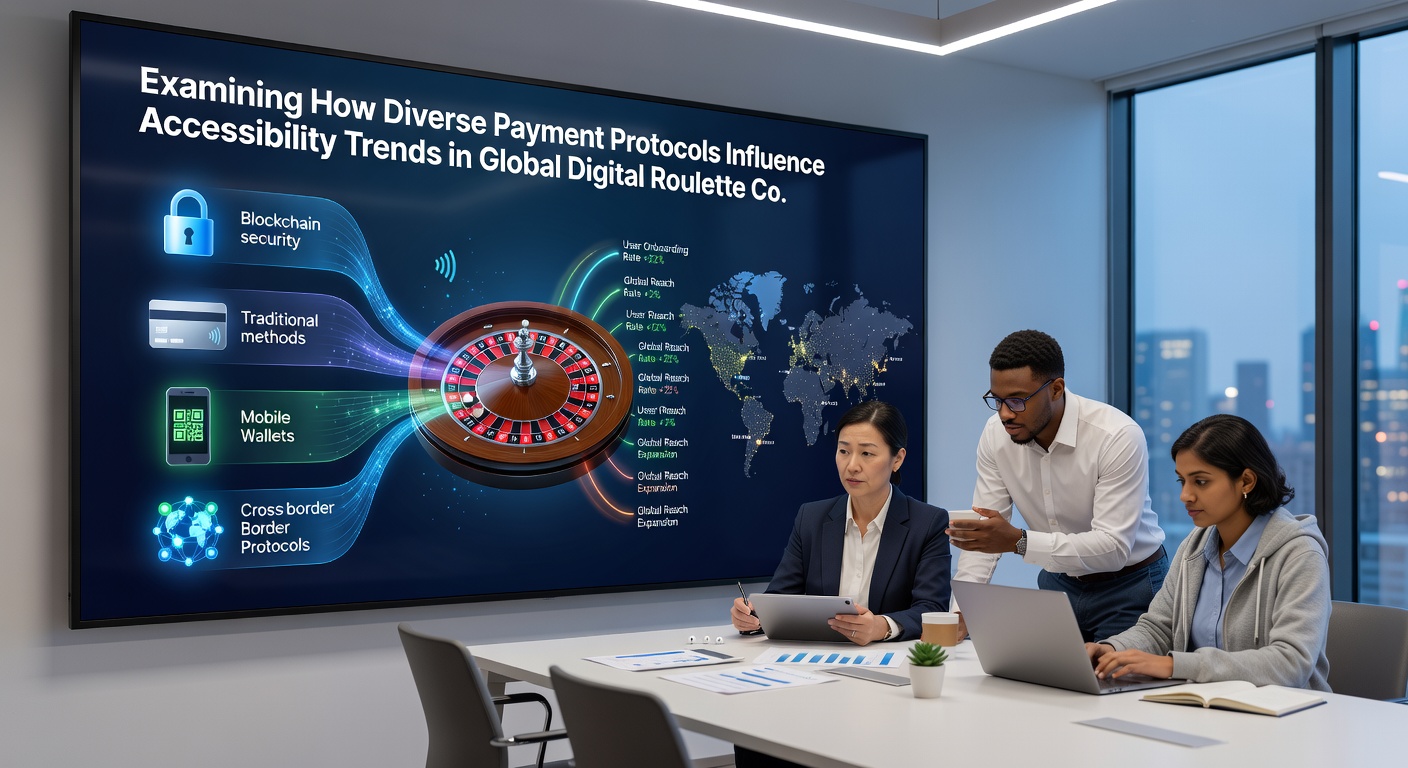
But here's the thing: speed matters more than fee levels in time-sensitive live roulette environments where table limits reset every few minutes. Players using instant protocols can respond to changing odds without missing windows that slower bank methods simply cannot accommodate. Data compiled by the European Gaming and Betting Association shows that operators providing sub-five-minute deposit confirmations maintain session lengths 22 percent longer than those relying solely on legacy clearing systems.
Regulatory Shifts and Protocol Adaptation
Government policies continue to steer which protocols gain traction. Canadian provincial frameworks introduced streamlined reporting for digital wallet transactions in early 2026, resulting in broader availability for roulette communities serving remote provinces. In parts of Latin America, new licensing rounds require operators to integrate at least one locally issued mobile money service, a rule that has already expanded participation in markets previously limited to international card networks.
Academic papers examining transaction logs across multiple jurisdictions find that communities with mixed protocol support experience fewer drop-offs during peak hours, because users whose preferred method encounters temporary network issues can pivot immediately. This flexibility proves especially relevant in regions where power outages or mobile network congestion disrupt single-channel systems on a regular basis.
Future Trajectory for Global Communities
Platform operators continue testing hybrid models that combine stablecoin settlements with traditional fiat rails to serve both high-volume and entry-level participants. Observers tracking May 2026 metrics note that roulette-specific communities adopting these layered approaches record steadier growth in new registrations from previously underrepresented geographic zones. The pattern suggests that accessibility improves when protocol diversity aligns with local infrastructure realities rather than imposing uniform global standards.
Conclusion
Diverse payment protocols exert measurable influence over who joins and stays active in global digital roulette communities. Regional data from 2026 illustrates clear correlations between supported methods and participation rates, while regulatory adaptations further shape which options become viable. Communities that maintain multiple channels demonstrate broader reach and more consistent engagement across different economic and infrastructural contexts.