How Encryption Advances Are Reshaping Transaction Security Across Digital Gaming Platforms Worldwide
Iris Coleman · Aug 7, 2026
How Encryption Advances Are Reshaping Transaction Security Across Digital Gaming Platforms Worldwide
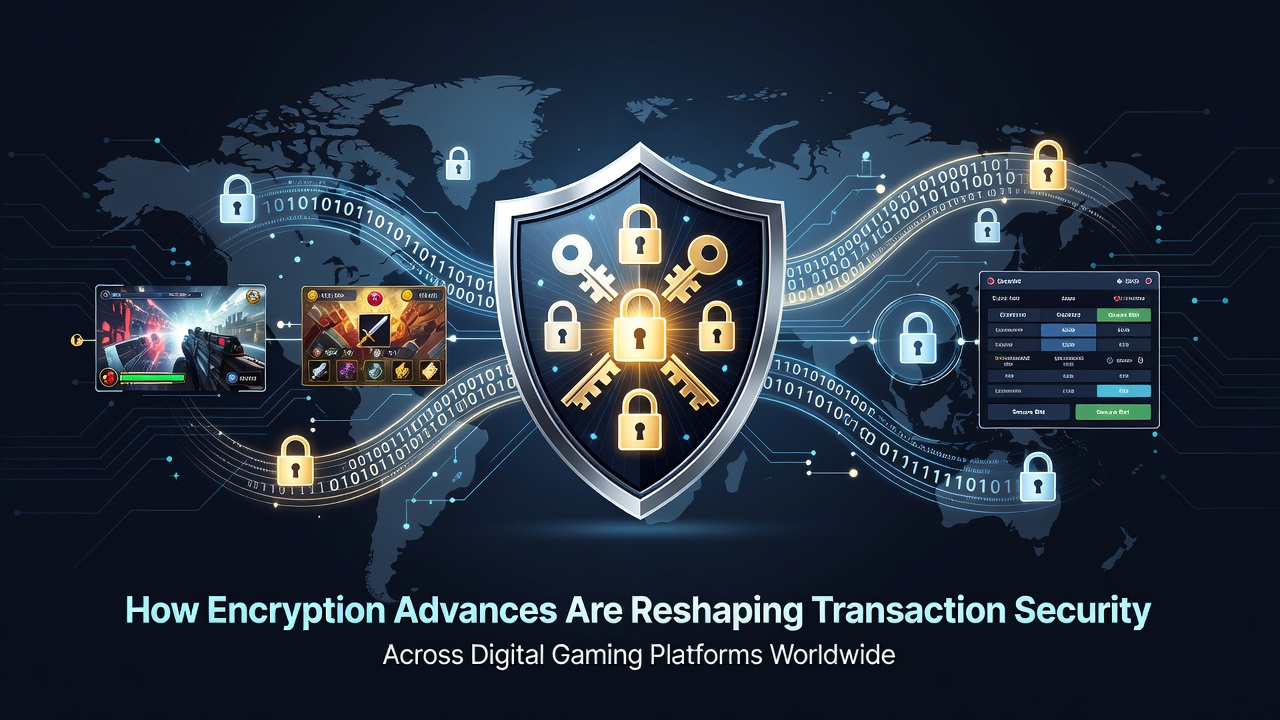
Digital gaming platforms worldwide have integrated advanced encryption protocols to protect financial transactions as player volumes and cross-border payments continue to expand through 2026. Researchers at institutions tracking cybersecurity trends report that these upgrades address vulnerabilities exposed by earlier standards while supporting higher transaction speeds required by live dealer and mobile formats.
Standards bodies such as the National Institute of Standards and Technology have released updated post-quantum cryptography guidelines that gaming operators began testing in pilot programs during the first half of 2026. These frameworks replace or supplement RSA-based systems with lattice-based algorithms designed to withstand quantum computing attacks expected to emerge within the next decade.
Core Technologies Driving Current Upgrades
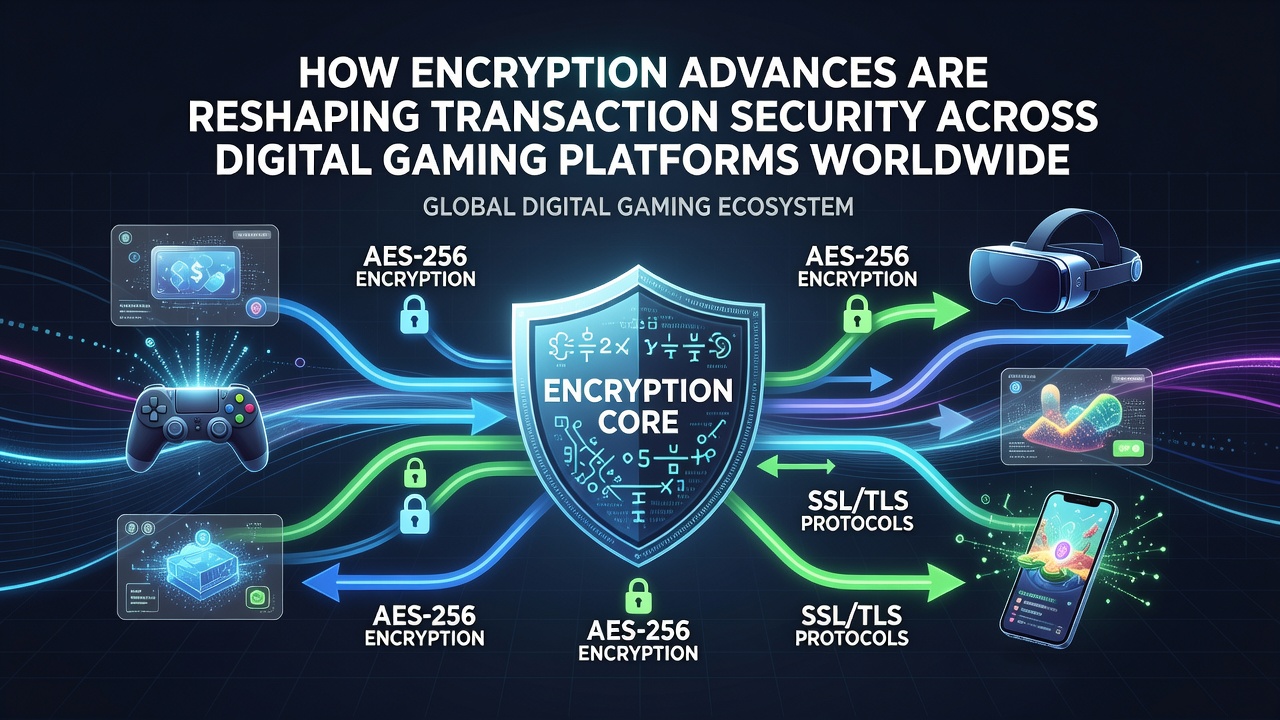
Operators now deploy AES-256 encryption combined with elliptic curve cryptography for session keys while layering in homomorphic encryption techniques that allow computations on encrypted data without exposing plaintext values. This approach enables real-time verification of bets and payouts across distributed servers without creating intermediate points where sensitive account details might be intercepted.
Blockchain-based ledgers integrated with zero-knowledge proofs have appeared in several licensed platforms operating in North America and Asia-Pacific jurisdictions. These systems let players confirm transaction validity while concealing wallet addresses and amounts from third-party observers. Data compiled by regional regulators shows adoption rates rising sharply after regulatory sandboxes in Singapore and New South Wales cleared the first commercial deployments in late 2025.
Multi-party computation protocols further distribute cryptographic operations so that no single server holds complete decryption authority. Gaming networks using these methods report reduced single-point failure risks during high-traffic events such as tournament finals and promotional bonus releases.
Global Implementation Patterns Observed by Mid-2026
European operators subject to the Digital Services Act and evolving eIDAS regulations accelerated their migration to quantum-resistant suites after the European Union Agency for Cybersecurity published compliance roadmaps in March 2026. Platforms serving German and French markets completed initial audits by August 2026 and documented measurable declines in fraud attempts traced to credential-stuffing campaigns.
Meanwhile, operators licensed in Atlantic Canadian provinces and several Australian states incorporated hardware security modules that enforce end-to-end encryption from player device through payment processor. Transaction logs from these regions indicate average processing times remained stable even as encryption overhead increased, largely due to parallel processing optimizations introduced in 2025 hardware refreshes.
Asian markets present a contrasting picture. Platforms headquartered in Macau and Manila integrated national digital identity systems with encryption layers that comply with local data localization rules. Cross-border remittances between these hubs and Southeast Asian players now route through gateways employing transport layer security 1.3 alongside application-level encryption, reducing exposure windows during currency conversion steps.
Effects on Player Verification and Fraud Metrics
Verification flows that once relied on static passwords have shifted toward tokenized session credentials refreshed at irregular intervals. Studies from academic groups examining transaction datasets found that platforms adopting these methods experienced lower rates of account takeover attempts compared with those still using legacy two-factor SMS methods.
Payment processors serving multiple gaming networks reported that encrypted wallet-to-wallet transfers completed without exposing card or bank details grew from 12 percent of total volume in 2024 to over 35 percent by August 2026. These figures come from aggregated industry reports rather than individual operator disclosures.
Operational Adjustments Across Platforms
Engineering teams have recalibrated server architectures to accommodate the computational demands of newer algorithms. Load-balancing systems now route encryption-intensive tasks to specialized nodes while maintaining sub-second response times for game state updates. Several major providers documented these infrastructure changes during industry conferences held in Las Vegas and London earlier in 2026.
Staff training programs emphasize key management hygiene and incident response procedures tailored to encrypted environments. Regulators in multiple jurisdictions require documented evidence of these programs during license renewals, creating a standardized baseline that smaller operators must meet to remain competitive.
Conclusion
Encryption advancements continue to alter how digital gaming platforms handle transaction security on a global scale. From post-quantum standards issued by national laboratories to hardware modules deployed by regional operators, the technical foundation supporting financial flows has become more distributed and resistant to emerging threats. As of August 2026, measurable adoption across licensed markets demonstrates that these changes integrate into existing operational frameworks without disrupting player experience or regulatory compliance timelines. Further refinements will likely follow as additional jurisdictions finalize their own cryptographic mandates and as hardware capable of supporting next-generation algorithms reaches wider commercial availability.