How Regional Tax Frameworks Influence Session Length Patterns in Virtual Card Game Ecosystems
Kai Griffin · Jul 17, 2026
How Regional Tax Frameworks Influence Session Length Patterns in Virtual Card Game Ecosystems
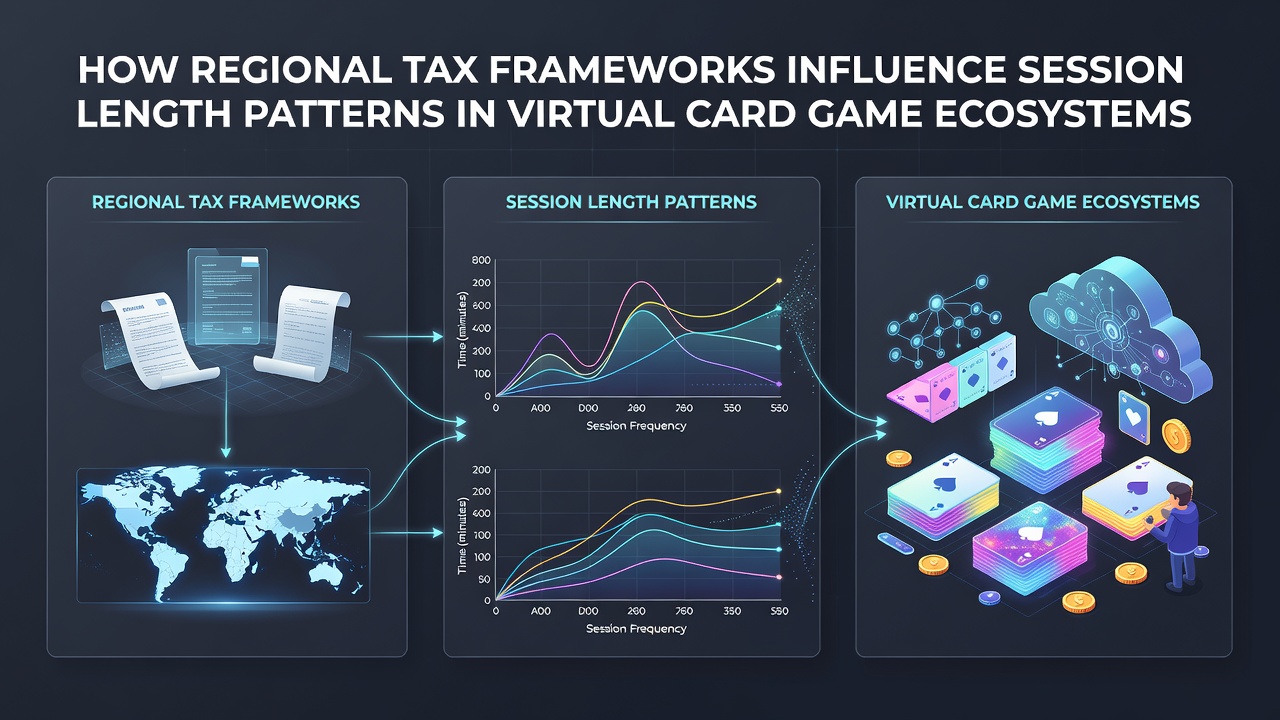
Regional tax frameworks shape session length patterns in virtual card game ecosystems through direct effects on operator costs and player incentives, and data from multiple jurisdictions shows measurable differences in how long participants remain active in online poker and blackjack environments. Tax rates applied to gross gaming revenue or player deposits alter pricing structures, which in turn influence when and how frequently users log in and extend their play periods.
Tax Variations Across Major Jurisdictions
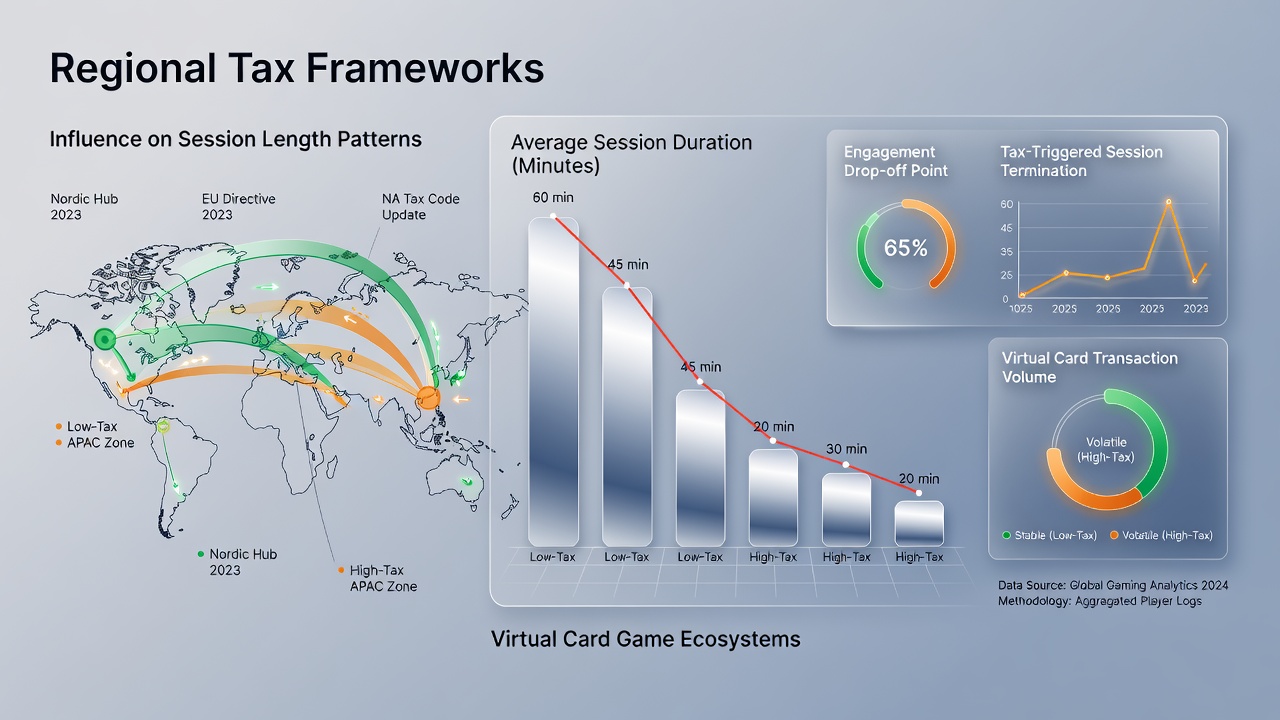
European markets demonstrate clear contrasts where lower-tax regimes in Malta and Gibraltar correlate with extended average session durations compared to higher-tax areas such as France and Germany, according to figures compiled by the European Gaming and Betting Association. Operators in lower-tax zones often pass savings forward through higher return-to-player percentages and reduced rake, allowing players to sustain longer engagements before bankrolls diminish. In contrast, elevated tax burdens in other European countries lead platforms to adjust bonus offerings and table limits, prompting users to conclude sessions earlier to manage effective costs.
Asia-Pacific regions present another layer of influence, with Singapore's integrated resort tax model and Australia's point-of-consumption levies producing distinct behavioral outcomes. Research from the Australian Institute of Criminology indicates that tax-induced adjustments in digital card platforms have shifted session patterns toward shorter, more frequent logins rather than prolonged continuous play, particularly in blackjack variants where progressive elements interact with tax-adjusted prize pools.
Mechanisms Linking Taxes to Player Behavior
Tax frameworks affect session lengths through several interconnected channels that operators and players both navigate. Higher effective tax rates increase operational overhead, which frequently results in modified game parameters such as increased house edges or reduced promotional credits, and these changes encourage participants to monitor their time and spending more closely. Lower-tax environments support more generous loyalty structures and cashback programs that reward extended play, creating feedback loops where longer sessions become self-reinforcing.
Payment processing fees combined with tax obligations further compound these effects, as platforms in high-tax regions sometimes implement minimum deposit thresholds or withdrawal delays that indirectly cap session momentum. Observers note that virtual card game ecosystems respond dynamically, with real-time analytics allowing operators to fine-tune session prompts and auto-cashout features based on prevailing tax environments in each licensed market.
Recent Developments and Data Trends
By July 2026, several jurisdictions implemented updated tax reporting requirements that have begun to surface in session analytics for virtual card titles. Canadian provincial frameworks, for instance, introduced tiered rates tied to operator scale, and early indicators from regulatory filings suggest these adjustments have produced modest increases in average session times within lower-tier brackets where compliance costs remain contained. Cross-border operators have adapted by segmenting their virtual card offerings according to each market's tax profile, which has led to noticeable divergences in play duration across otherwise similar game libraries.
Industry reports further reveal that tax harmonization efforts within certain free-trade zones have stabilized session patterns by reducing abrupt changes in player costs when users access games from different locations. This stabilization appears most pronounced in poker ecosystems where multi-table functionality allows participants to optimize their time across taxed and less-taxed tables within the same platform.
Implications for Ecosystem Design
Virtual card game developers and platform architects now routinely incorporate tax sensitivity modeling into their design processes, adjusting features such as auto-play timers, session reminders, and reward pacing to align with regional fiscal conditions. Markets with stable, moderate tax rates tend to foster ecosystems where players develop habitual longer sessions supported by consistent bonus mechanics and transparent fee structures. Higher or more volatile tax environments often prompt the introduction of shorter-format game modes and rapid-fold options that accommodate briefer engagement windows.
These adaptations reflect broader operational strategies that treat tax frameworks as fixed parameters rather than external variables, enabling platforms to maintain engagement metrics while remaining compliant across multiple licensing authorities.
Conclusion
Regional tax frameworks continue to exert measurable influence on session length patterns within virtual card game ecosystems through cost transmission, incentive design, and platform adaptation. Data from diverse regulatory sources demonstrates consistent correlations between tax levels and play duration, while ongoing policy shifts through 2026 highlight the need for continued monitoring of these dynamics across global markets. Operators and analysts alike track these relationships to anticipate how fiscal changes will reshape engagement behaviors in digital card environments.