Mapping Certification Timelines That Determine Eligibility Windows for Reward Structures in Portable Table Game Applications
Amir Hayes · Jun 26, 2026
Mapping Certification Timelines That Determine Eligibility Windows for Reward Structures in Portable Table Game Applications
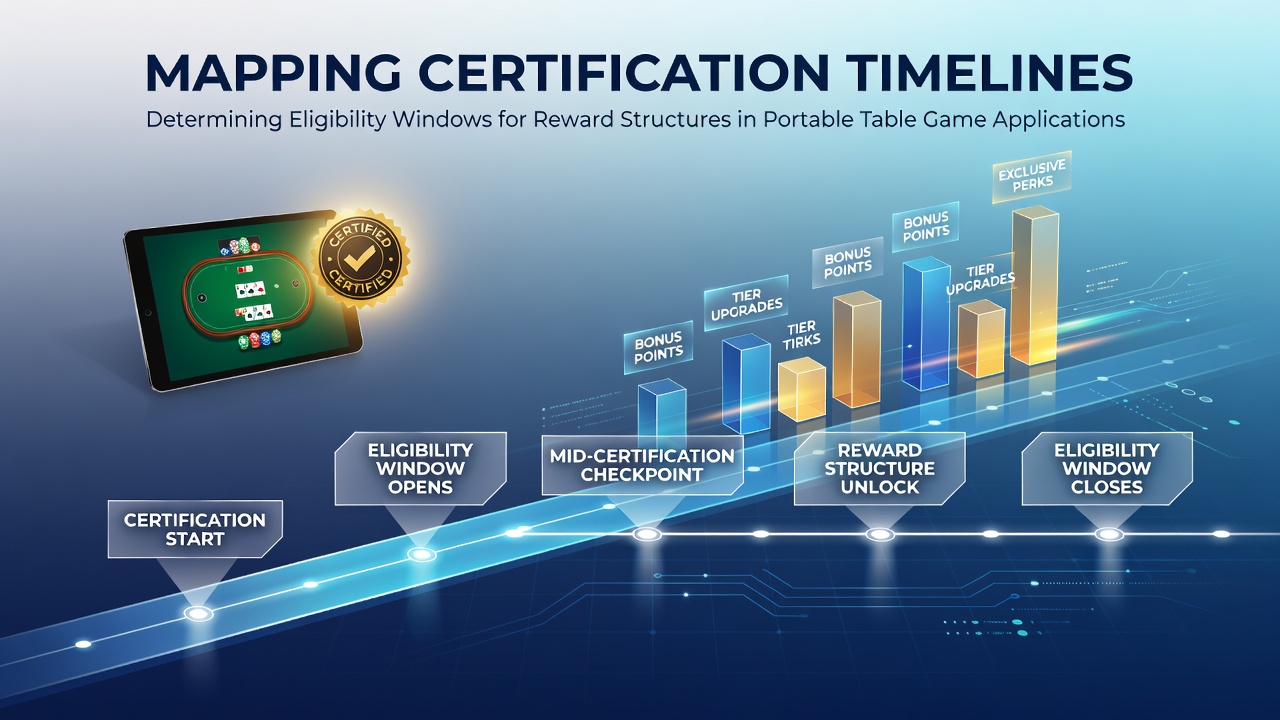
Observers note that certification timelines in mobile table game applications create distinct eligibility windows for reward structures, and these periods directly influence when players can access bonuses tied to certified versions of games like blackjack or roulette. Data from regulatory bodies shows that the process begins with independent laboratory testing of random number generators and game logic, after which authorities review submissions before granting approval for deployment across portable platforms. The mapping of these timelines reveals patterns where shorter certification cycles allow developers to roll out updated reward mechanics sooner, whereas extended reviews push eligibility windows into later quarters. Research indicates that portable table game applications must align bonus activation dates with the moment a new build receives final sign-off, creating a narrow band during which promotional offers remain valid only for certified software.How Timelines Shape Reward Eligibility
Certification sequences typically span four to twelve weeks depending on jurisdiction, and this duration determines the precise start and end dates for reward structures in mobile environments. Those who track these processes find that an application submitted in early spring might clear review just as summer campaigns launch, locking bonus eligibility to the post-approval period and excluding earlier builds from the same offers.
Figures from industry reports reveal that reward windows often close automatically once a certified update replaces the prior version, forcing operators to recalibrate promotional calendars accordingly. This synchronization ensures compliance yet narrows the timeframe during which players can claim certain deposit-match or cashback incentives tied to table games on portable devices.
Regional Variations in Approval Cycles
Regulatory frameworks across different regions produce contrasting timelines, and these differences ripple through eligibility structures for portable rewards. In the United States, state-level oversight in Nevada produces documented approval windows that developers must navigate before mobile table game bonuses activate, according to records maintained by the Nevada Gaming Control Board. European authorities apply separate evaluation layers that can extend or compress these same windows based on technical documentation volume.
Canadian provincial regulators follow yet another sequence, and observers note that alignment between certification completion and reward launch dates varies by province. Developers therefore map multiple calendars simultaneously to ensure bonus eligibility remains active only within fully approved software versions across portable platforms.
June 2026 Implementation Shifts
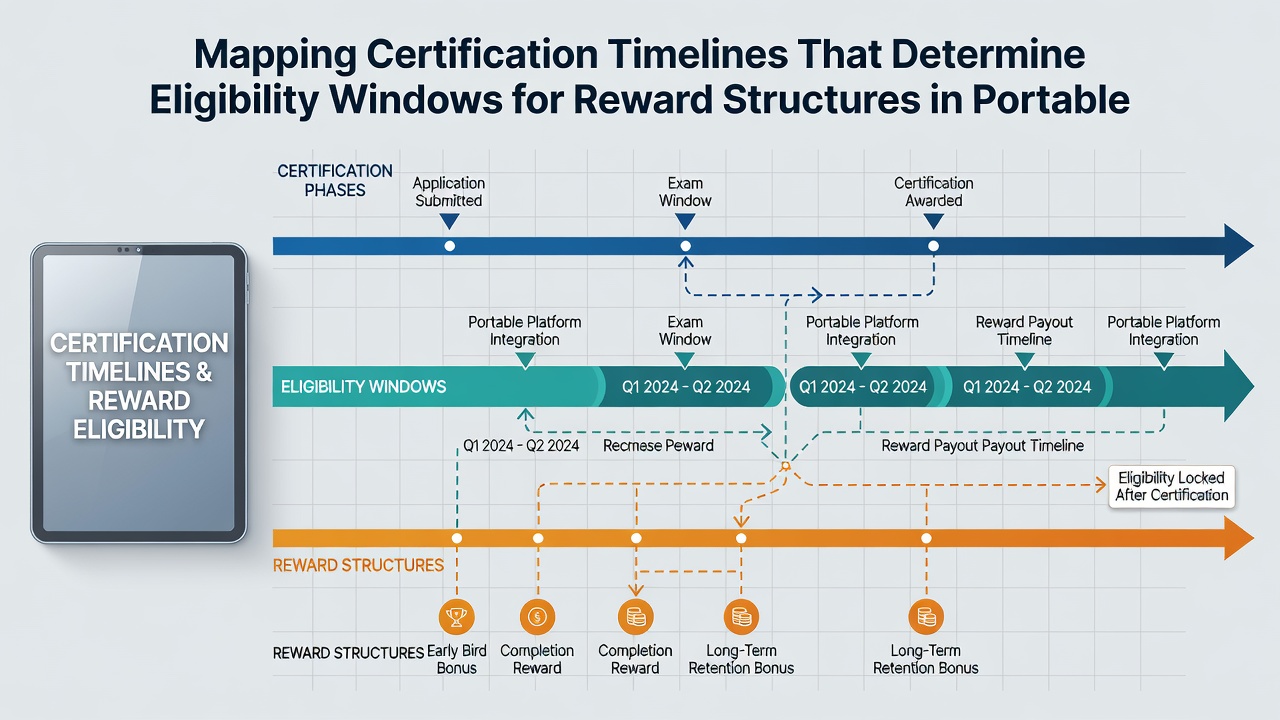
June 2026 marks a period when several jurisdictions introduced streamlined digital submission portals, and these changes shortened average certification timelines for portable table game applications. Evidence suggests that reward structures tied to live dealer and RNG-based table games expanded their eligibility windows as a direct result, allowing operators to synchronize bonus releases with faster approvals.
One study revealed that applications processed through the updated portals cleared review up to three weeks earlier than prior cycles, extending the active period during which players could access loyalty multipliers or free-bet promotions. Those tracking the June 2026 adjustments found that eligibility start dates moved forward while end dates stayed anchored to the next software revision, creating longer but still bounded reward intervals.
Impact on Player Access and Operator Planning
Operators plan reward calendars around mapped certification milestones, and any delay compresses the window during which bonuses remain available on portable devices. Data shows that table game applications with pending approvals cannot activate certain deposit-linked rewards until certification completes, which in turn affects player retention metrics during transitional periods.
Academic analyses of global gaming markets highlight that precise timeline mapping reduces compliance risks while preserving the integrity of eligibility structures. Developers who coordinate testing schedules with regulatory calendars achieve more predictable reward rollouts, and this coordination proves especially relevant for multi-jurisdiction mobile platforms where overlapping approval windows intersect.
Conclusion
Mapping certification timelines provides a clear framework for understanding how eligibility windows for reward structures operate in portable table game applications. The data underscores that approval cycles dictate when bonuses activate and expire, and operators who monitor these timelines maintain compliance across regions. As new submission tools emerge and regulatory processes evolve, the relationship between certification completion and reward availability continues to define operational planning in the mobile gaming sector.