Mapping Regional Licensing Frameworks on Feature Availability in Electronic Card Simulations
Amir Hayes · Jul 15, 2026
Mapping Regional Licensing Frameworks on Feature Availability in Electronic Card Simulations
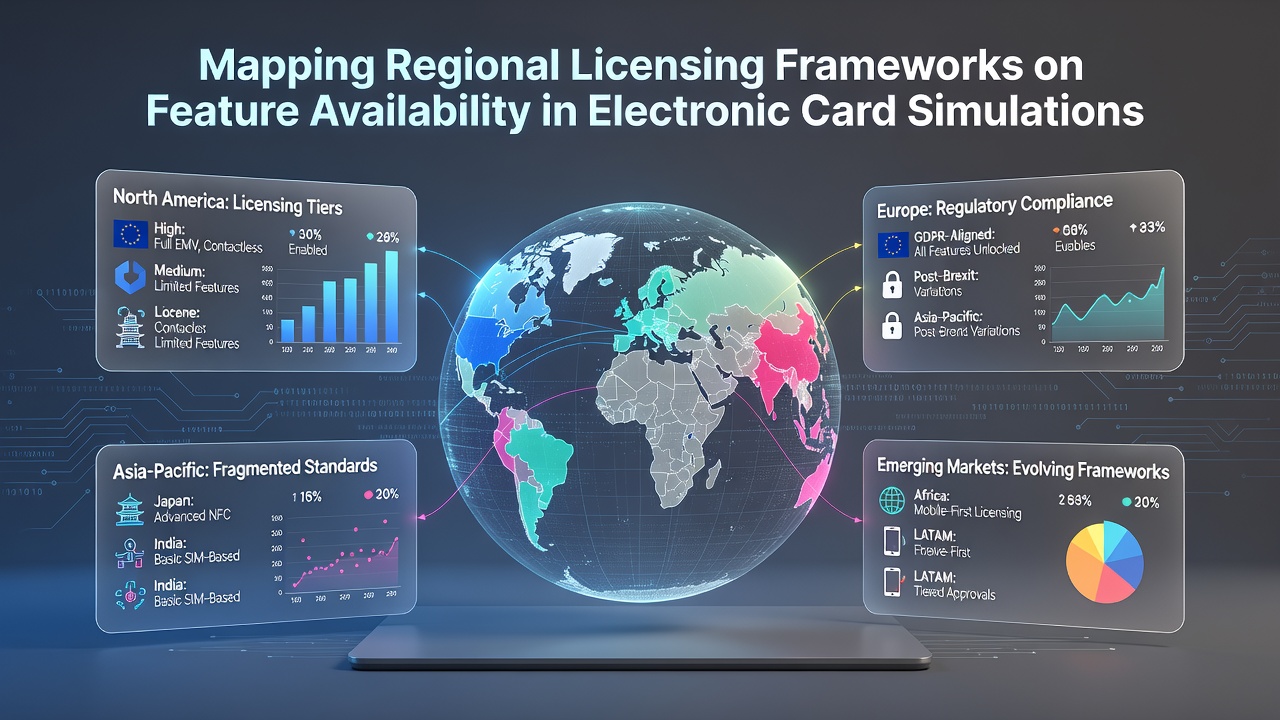
Regional licensing frameworks shape which features appear in electronic card simulations such as digital blackjack and poker platforms, because each jurisdiction imposes distinct technical and operational requirements that developers must satisfy before deployment. Data from multiple regulatory bodies shows these rules directly determine availability of elements including random number generator certification, multi-hand options, and real-time interaction tools. Observers note that operators who map these frameworks early gain clearer paths to market entry while avoiding costly retrofits later.
North American Regulatory Patterns
United States state-level controls create a patchwork where Nevada requires independent laboratory testing for every RNG update in card simulations, whereas New Jersey permits conditional approvals tied to quarterly audits. Figures from the New Jersey Division of Gaming Enforcement reveal that simulation providers must embed audit logs accessible within 24 hours of any feature change, which restricts rapid rollout of new side-bet mechanics. Canadian provincial frameworks add another layer, with Ontario mandating geofencing that disables certain progressive jackpot features for players crossing borders, according to reports issued by the Alcohol and Gaming Commission of Ontario.
European and Asian Market Contrasts
European jurisdictions apply varying emphasis on player protection protocols that affect simulation interfaces, while Asian markets focus more on transaction transparency and speed of play limits. Malta's framework, for instance, requires visible probability disclosures on every simulated hand, yet allows dynamic deck shuffling algorithms once certified. In contrast, Singapore's Casino Regulatory Authority enforces strict session time caps that disable continuous-play modes in card simulators after preset intervals, limiting session-extension features that appear in less regulated environments.
Feature Availability Under Licensing Constraints
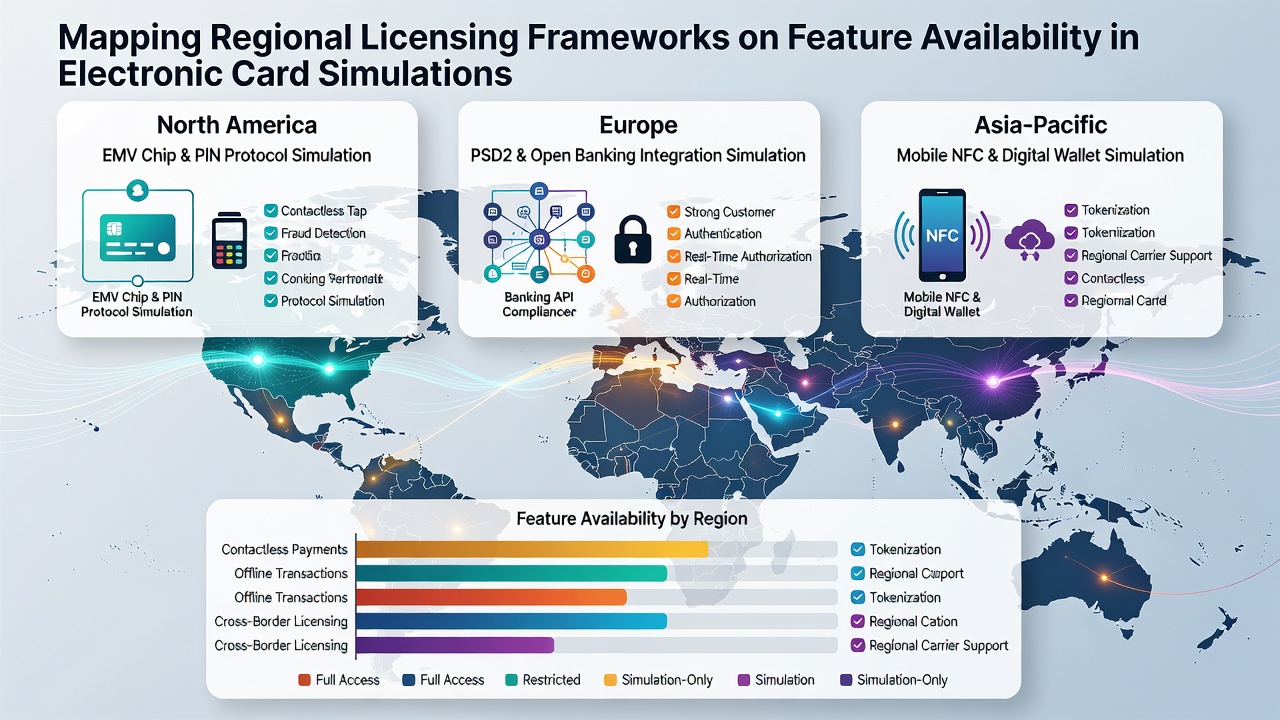
Random number generator certification timelines differ sharply by region and directly influence when new simulation variants reach players. Research from the University of Nevada Reno Gaming Innovation Lab indicates that jurisdictions with pre-certification sandboxes accelerate feature launches by an average of 45 days compared with those requiring full re-testing after every code modification. Bonus allocation mechanics also face restrictions, because some frameworks prohibit variable return-to-player adjustments during live sessions while others permit them under documented oversight. Multi-player table simulations encounter further limits where licensing bodies mandate separate instances for each jurisdiction to prevent cross-border data pooling.
Payment integration features likewise vary because certain regions require segregated wallets that block instant feature purchases mid-session. July 2026 updates from the Australian Communications and Media Authority introduced new interoperability standards that now allow licensed simulators to maintain consistent bonus structures across state lines provided operators submit unified compliance reports monthly. Those who've examined these shifts observe that developers increasingly build modular codebases where individual features can toggle on or off based on detected player location and licensing profile.
Implementation Examples Across Jurisdictions
One documented case involves a major simulation provider that adapted its electronic poker client for simultaneous deployment in Michigan and Pennsylvania by maintaining two parallel RNG modules, each tuned to state-specific testing cycles. Another example shows an Asian operator that introduced time-limited tournament modes only after securing exemptions from session caps through detailed reporting to the relevant authority. Such adaptations demonstrate how licensing maps translate into concrete product decisions rather than abstract compliance exercises.
Conclusion
Mapping regional licensing frameworks provides operators and developers with actionable clarity on which electronic card simulation features can launch where and under what conditions. As markets continue to refine requirements through 2026 and beyond, the ability to align technical architecture with jurisdiction-specific rules remains central to sustained feature availability and regulatory compliance.