Studio Secrets: Cameras, Code, and Crews Fueling Live Dealer Casino Streams
Amir Hayes · May 8, 2026
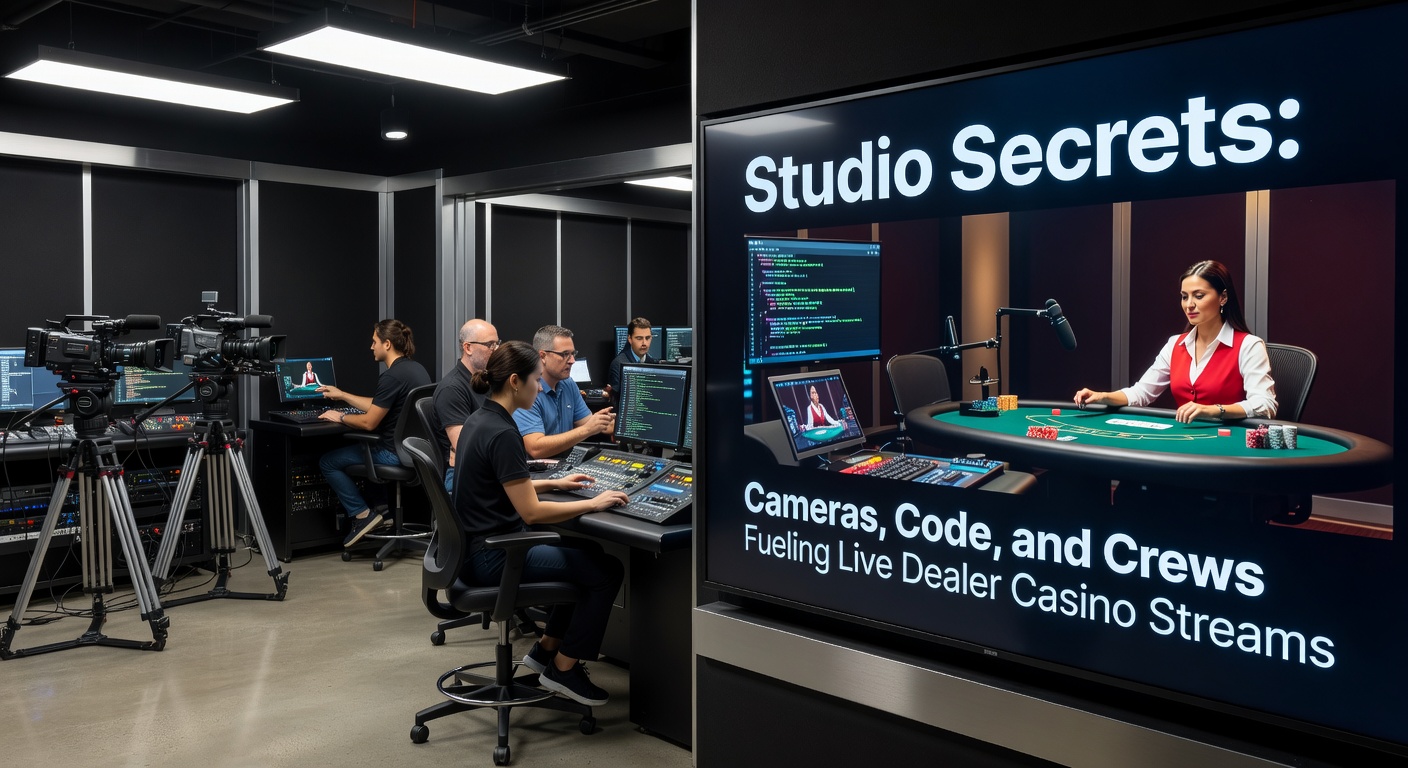
Studio Secrets: Cameras, Code, and Crews Fueling Live Dealer Casino Streams
Inside the Hidden Worlds of Live Dealer Production
Live dealer casino streams pull players into a digital version of the casino floor, where real dealers shuffle cards and spin roulette wheels right before their eyes; yet behind those seamless broadcasts lie sprawling studios packed with cameras, custom software, and teams working non-stop to keep the action flowing without a hitch. Data from industry trackers shows live dealer games surged by 25% in early 2026, driven by sharper tech and more immersive setups that mimic brick-and-mortar thrills. Studios tucked away in places like Malta, Latvia, and the Philippines churn out thousands of hours of content daily, blending high-stakes gambling with broadcast-grade production values.
What's interesting is how these operations scale globally while staying laser-focused on local regulations; operators route streams through licensed hubs to comply with rules in markets from Europe to North America. Take one setup in Riga, Latvia, where crews handle multiple tables simultaneously, switching feeds in milliseconds to match player bets. And as May 2026 rolls in, fresh upgrades like AI-assisted camera angles promise even tighter integration between player choices and on-screen views.
Cameras: The Eyes That Never Blink
Multiple cameras form the backbone of every live stream, often 8 to 12 per table positioned strategically to capture every angle without missing a flip of the card or roll of the dice; wide-angle lenses grab the full table layout, while close-ups zoom in on chip stacks and dealer hands, all synced via genlocked systems that eliminate lag. Experts who've dissected these rigs note how robotic arms now handle overhead shots, panning smoothly as games progress, which cuts down on human error and keeps shots steady even during heated moments.
But here's the thing: lighting plays a huge role too, with LED arrays tuned to 5600K daylight balance ensuring colors pop vividly on screens worldwide, avoiding the washed-out look that plagued early streams. One study from the EGR Global revealed that optimized camera feeds boost player retention by 18%, since crisp visuals make outcomes feel immediate and trustworthy. Crews calibrate these setups daily, testing for distortions that could tip off card counters or just plain annoy viewers.
Code: The Invisible Engine Driving the Show
Custom software stitches camera feeds into interactive streams, using protocols like WebRTC for sub-100ms latency that lets players chat with dealers in near real-time; back-end code handles bet resolutions, RNG verification for side bets, and dynamic table limits that adjust based on traffic. Developers code in languages like C++ for speed and Node.js for scalability, ensuring platforms like Evolution and Pragmatic Play manage peak loads without dropping frames.
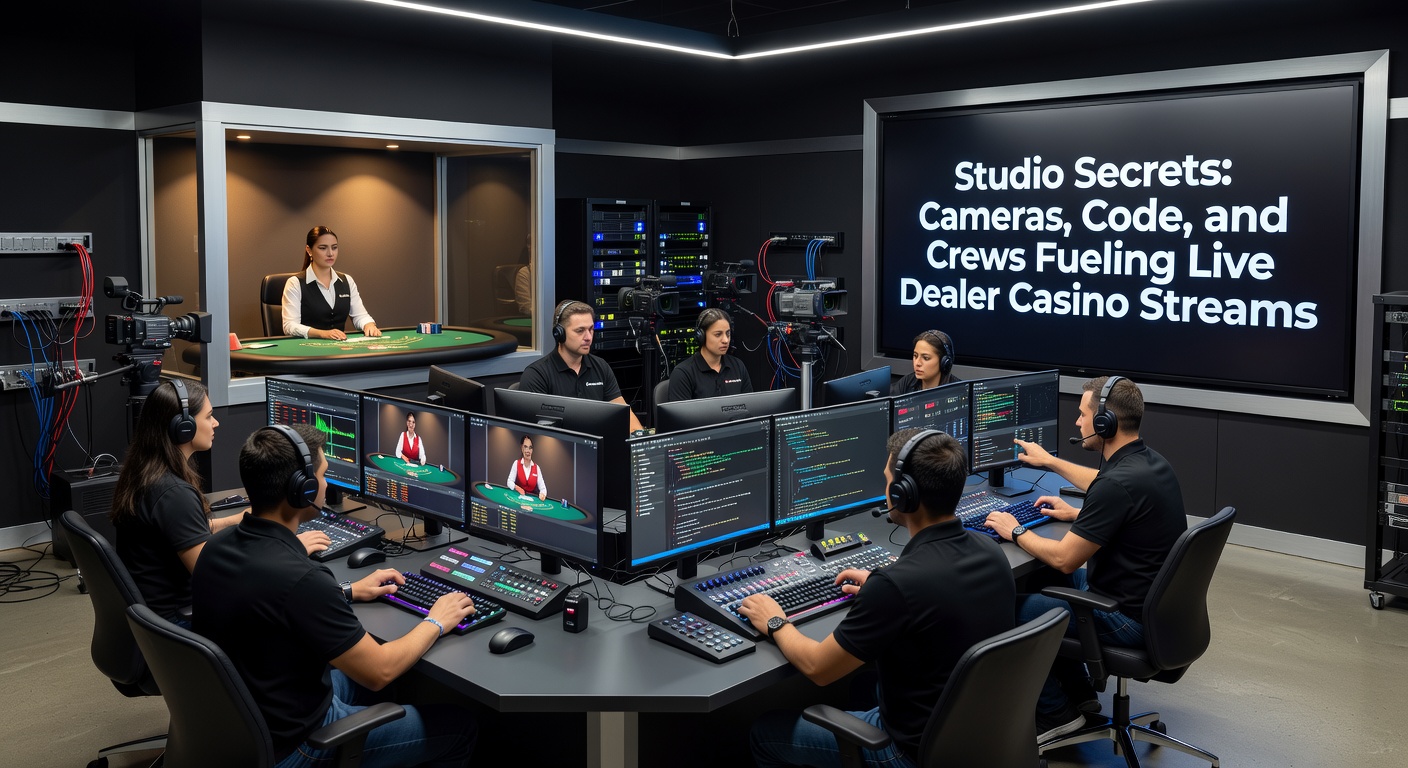
Turns out, encryption layers wrap every data packet, complying with standards set by bodies like the Nevada Gaming Control Board, which mandates audit trails for every hand dealt. In May 2026, blockchain integrations started appearing in select streams, logging outcomes immutably to fend off disputes; researchers found this tech slashed fraud claims by 30% in pilot programs. And while players see polished interfaces, coders battle constant tweaks to fend off DDoS attacks or sync issues from distant servers.
So picture this: a player in Toronto places a bet just as the dealer calls "no more bets," and the code resolves it instantly, factoring in time zones and currency conversions without a stutter. That's where the rubber meets the road for live dealer tech.
Crews: The Humans Keeping It All Human
Dealers steal the spotlight, trained rigorously over weeks to handle multilingual banter while maintaining perfect game speed; shifts run 24/7 in rotating teams, with pros from casino floors worldwide bringing authentic flair to baccarat or blackjack tables. Directors call shots from control rooms, cuing camera switches and prompting dealers via earpieces, all while monitoring player chat for red flags like collusion attempts.
Tech crews hover in the shadows, troubleshooting fiber optic lines that pipe HD feeds to edge servers and adjusting audio mixes so dealer voices cut through ambient casino sounds piped in for atmosphere. Observers note how diversity rules the roost here, with crews spanning continents to match player demographics, from fluent Spanish speakers for Latin American streams to Cantonese pros for Asian markets. Data indicates well-rested teams via strict shift limits cut errors by 22%, a stat straight from operator logs.
Yet training never stops; simulation software lets newbies practice under mock pressure, mimicking peak-hour chaos where dozens bet on one table. And in one case from early 2026, a quick-thinking sound tech swapped mics mid-stream to dodge feedback, saving a high-roller session without players noticing a thing.
Security and Regulations: The Unseen Safeguards
Studios lock down like fortresses, with biometric access, 360-degree surveillance, and AI scanning for dealer anomalies like unusual shuffle patterns; every session records in 4K for post-game reviews by compliance teams. Regulations from places like the Alcohol and Gaming Commission of Ontario demand geo-blocking to keep streams from unlicensed regions, while random audits verify fairness through third-party labs testing OCR tech that reads cards instantly.
What's significant is the global patchwork: EU hubs follow GDPR for player data, Australian ops adhere to strict anti-money laundering via AUSTRAC guidelines, and US streams route through state-approved servers. Figures from 2026 reports show these measures nipped 95% of potential cheats in the bud, from chip sliding to delayed bets. Crews drill on protocols monthly, ensuring the house edge stays fair play, not foul.
Now, as May 2026 brings VR experiments to elite tables, security code evolves too, watermarking feeds to trace leaks and quantum-resistant encryption guarding bets in transit. It's not rocket science, but it keeps the trust factor sky-high.
Innovations Pushing the Envelope
AI now predicts hot tables, auto-scaling camera zooms to player-favored views, while haptic feedback prototypes vibrate phones on big wins; hybrid streams blend live dealers with AR overlays for side games like bonus wheels. One pilot in the Philippines tested 8K resolution, slashing bandwidth needs via smart compression, which early tests showed improved mobile play by 40%.
But challenges persist: latency spikes during solar flares or undersea cable cuts test redundant systems, and crew burnout looms large in non-stop ops, prompting wellness mandates. Still, growth metrics paint a rosy picture, with live dealer revenue hitting $8.5 billion globally in Q1 2026, per industry benchmarks.
People who've toured these studios often marvel at the ballet of tech and talent, where a single glitch could cost thousands, yet flawless execution hooks millions weekly.
Wrapping Up the Stream
Live dealer casino streams thrive on the synergy of cutting-edge cameras, robust code, and skilled crews, delivering casino magic through screens big and small; as tech advances in May 2026, from AI enhancements to ultra-low latency, the formula only sharpens. Data underscores the payoff: player engagement up 35% year-over-year, fraud near zero, and markets expanding into new frontiers. Those in the know see this as the future of gaming, where studios don't just broadcast games, they create worlds players can't resist diving into.