The Design Process Behind Immersive Audio Layers in Virtual Slot Machines and Player Retention Trends
Carlo Schmidt · Jun 21, 2026
The Design Process Behind Immersive Audio Layers in Virtual Slot Machines and Player Retention Trends
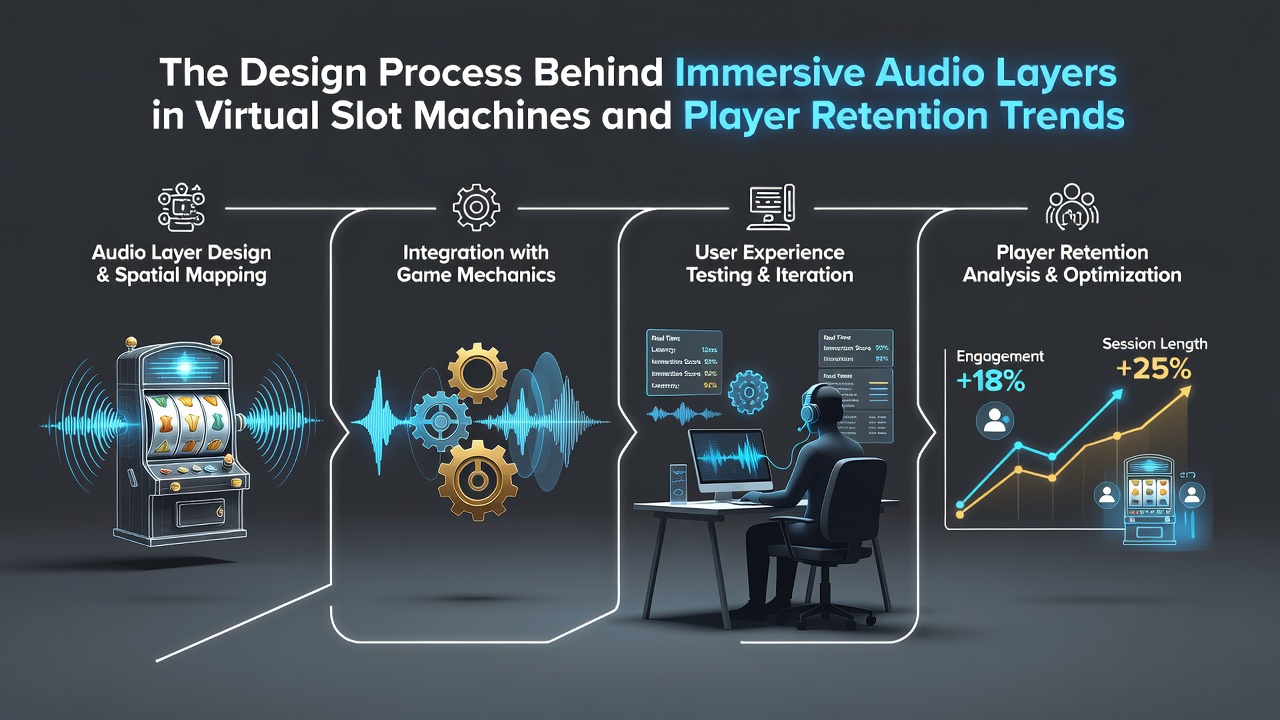
Virtual slot machine development teams approach audio creation through structured stages that begin with market analysis and move into detailed sound mapping, where each reel spin, symbol match, and bonus trigger receives a dedicated acoustic signature designed to maintain engagement over extended sessions. This process incorporates multiple audio tracks that activate simultaneously or sequentially depending on player actions, creating a dynamic environment that evolves with gameplay progression.
Initial Research and Conceptual Planning
Design teams start by examining player behavior data collected from existing platforms, identifying patterns in session duration and interaction frequency that correlate with specific sound cues, while researchers cross-reference these findings with psychological studies on auditory stimuli and reward anticipation. Developers then outline core audio themes that align with the game's visual motif, ensuring that ambient backgrounds establish a consistent atmosphere without overpowering the intermittent reward sounds that signal wins or near-misses.
Sound Creation and Layering Techniques
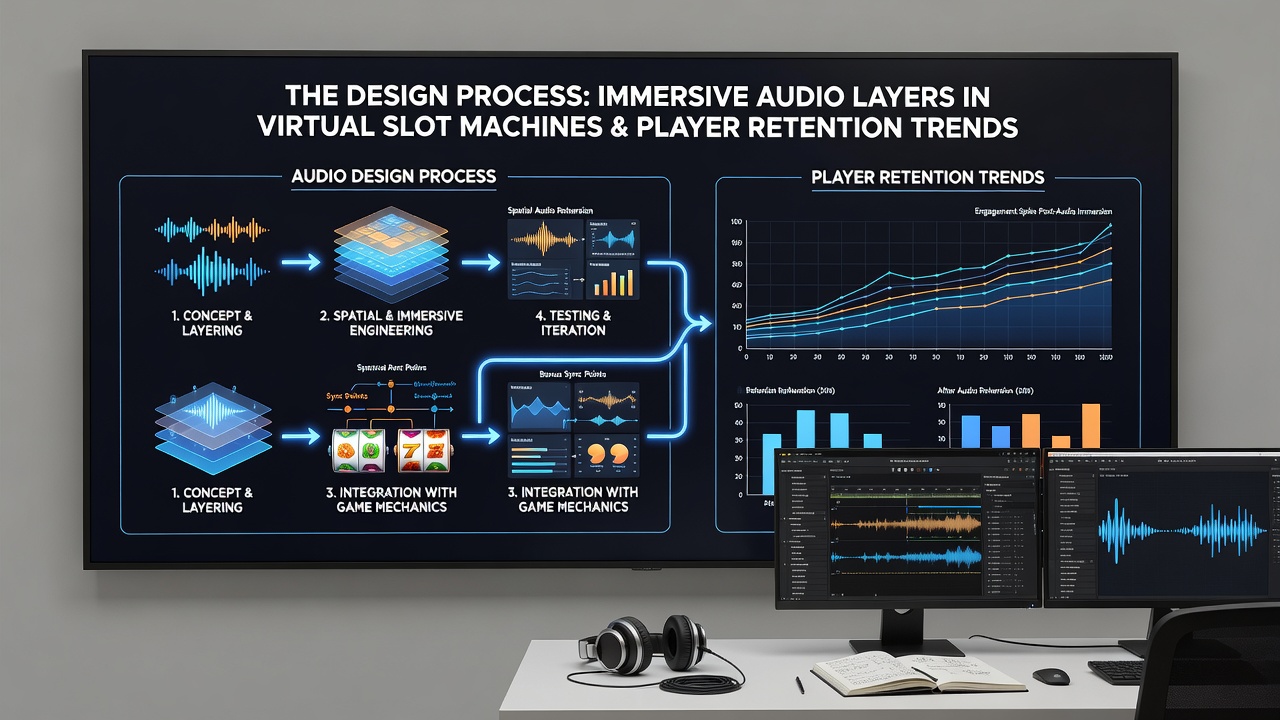
Audio specialists record base tracks in controlled studio environments before processing them through digital workstations that allow precise control over pitch, volume, and spatial positioning, while additional layers such as mechanical reel clicks, celebratory chimes, and escalating musical motifs are composed separately and synchronized to game events via programming scripts. The layering method relies on priority hierarchies where certain sounds receive higher playback precedence during overlapping events, preventing audio clutter that could disrupt focus, and engineers test these combinations across various hardware configurations to verify consistent output quality.
Multiple iterations follow initial builds, with adjustments made after internal reviews that evaluate clarity and emotional impact, and external playtests provide further input on how different demographic groups respond to volume curves and frequency ranges. This iterative cycle continues until the audio framework meets technical specifications for file size and latency while supporting the desired retention metrics.
Integration with Game Mechanics and Testing Protocols
Programmers embed the finalized audio layers into the slot's core engine, linking each sound event to specific random number generator outcomes and user interface interactions, after which quality assurance teams run automated and manual checks to confirm synchronization across thousands of simulated spins. Regulatory compliance checks verify that audio elements do not interfere with required disclosure information or create misleading impressions about payout probabilities, and certification bodies review these integrations before approving titles for distribution in licensed markets.
Observed Retention Trends Through Mid-2026
Industry reports compiled through June 2026 indicate that titles featuring advanced multi-layered audio systems record average session lengths approximately 18 percent longer than those using basic sound sets, with repeat visit rates showing corresponding increases according to aggregated platform analytics. Data compiled by the American Gaming Association highlights regional variations where markets with higher mobile adoption demonstrate stronger correlations between immersive audio and sustained play frequency. Observers note that players in these environments often extend sessions when audio feedback provides continuous reinforcement during both winning and non-winning sequences.
Comparative studies conducted by academic groups at institutions focused on digital entertainment examine how specific audio frequencies influence dopamine response patterns, revealing that carefully calibrated reward chimes can extend voluntary play intervals without altering underlying probability structures. European operators have reported similar patterns in quarterly performance summaries, where games updated with enhanced audio layers maintained higher daily active user counts over six-month observation periods.
Regional Variations and Platform Adaptations
Developers adapt audio profiles for different regulatory environments, adjusting volume limits and frequency emphasis to meet local accessibility guidelines while preserving the immersive intent, and platform providers implement device-specific optimizations that account for speaker quality differences between desktop and mobile hardware. In markets tracked by Australian regulatory bodies, retention metrics tied to audio-enhanced slots have shown steady growth through the first half of 2026, particularly among users who engage wth progressive feature rounds that incorporate evolving musical themes.
These adaptations require ongoing collaboration between sound designers and compliance specialists to ensure that retention-focused audio elements remain within approved parameters across jurisdictions.
Conclusion
The design process for immersive audio layers in virtual slot machines follows a methodical sequence from research through implementation and verification, producing measurable effects on player retention trends documented in multiple industry and academic sources as of June 2026. Continued refinement of these techniques supports consistent engagement metrics across diverse platforms and regulatory frameworks.