Tracing Secure Transaction Pathways in Real-Time Table Game Applications Across Licensed Digital Networks
Carlo Schmidt · Jul 31, 2026
Tracing Secure Transaction Pathways in Real-Time Table Game Applications Across Licensed Digital Networks
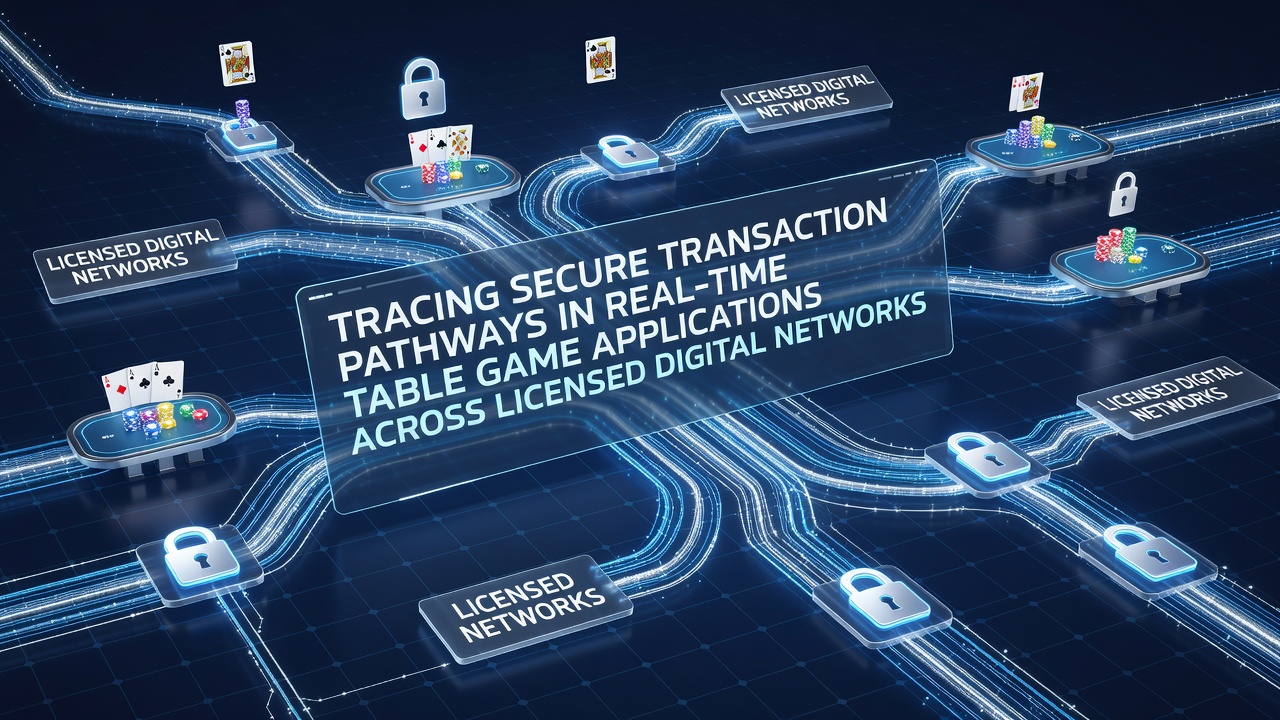
Real-time table game applications such as blackjack and roulette operate across licensed digital networks where transaction pathways require continuous tracing to maintain security and regulatory compliance, and operators integrate layered encryption protocols with monitoring systems that log every bet placement and payout in milliseconds. These pathways connect player accounts to game servers through secure APIs that record data points including timestamps, device identifiers, and session details while licensed jurisdictions enforce standards that demand full audit trails from initial deposit to final settlement.
Core Technologies Behind Pathway Tracing
Encryption standards like TLS 1.3 combined with tokenization methods protect data in transit across these networks, and distributed ledger technologies allow select operators to create immutable records of each transaction step without exposing sensitive player information. Real-time analytics platforms scan for anomalies such as unusual betting patterns or rapid fund movements, and machine learning models trained on historical data flag potential issues for immediate review by compliance teams. Observers note that in July 2026 several networks upgraded their monitoring dashboards to incorporate predictive alerts that reduce response times from minutes to seconds during live sessions.
Regulatory Frameworks Shaping Transaction Oversight
Licensed operators must adhere to rules set by bodies including the Nevada Gaming Control Board, which mandates detailed reporting on every fund transfer in table game environments, while the Pennsylvania Gaming Control Board requires similar documentation for intrastate digital play. Data from these agencies shows that transaction volumes in real-time table games rose steadily through early 2026, prompting updates to record-keeping requirements that now include cross-border verification steps. Nevada Gaming Control Board reports indicate that integrated tracing tools help meet anti-money laundering obligations by linking player activity across multiple sessions and accounts.
Implementation Across Global Licensed Networks
Networks in Europe and North America deploy centralized ledgers that aggregate transaction data from multiple live dealer studios, and this setup enables regulators to access anonymized summaries for oversight without compromising individual privacy. In Australia the Australian Communications and Media Authority oversees similar standards that tie digital table game transactions to licensed payment processors, creating a chain of custody that starts at the player interface and ends at the operator's financial reconciliation system. One study from a Canadian research institution revealed that operators using hybrid cloud and on-premise tracing solutions achieved higher compliance scores during routine audits compared with those relying on legacy batch processing methods.
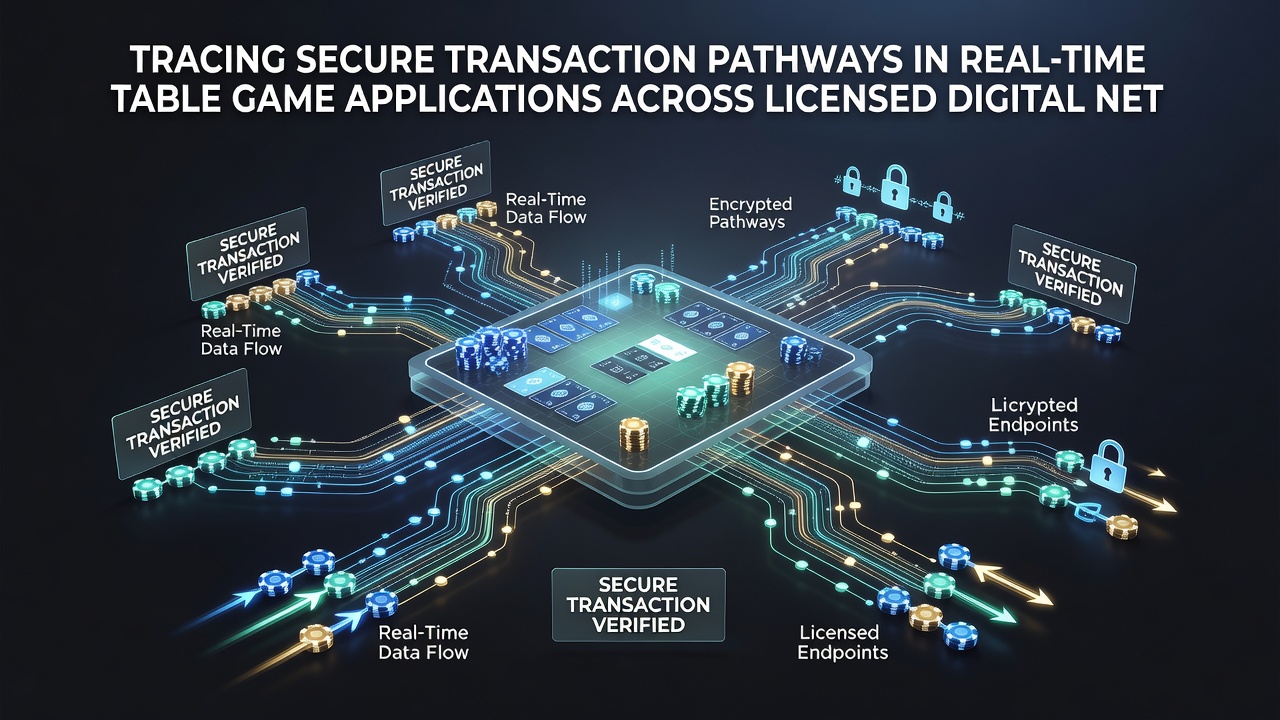
Pathway tracing also supports responsible gaming measures because systems can detect rapid deposit sequences and apply temporary holds when predefined thresholds are reached, and these interventions occur without interrupting ongoing table game rounds. Operators often partner with third-party verification services that cross-check transaction origins against sanctions lists before funds reach the gaming platform, and this step adds an extra layer to the overall security framework.
Challenges in Maintaining Real-Time Integrity
High-volume periods during major sporting events or promotional campaigns can strain tracing systems, yet operators address these spikes through load-balanced server clusters that maintain continuous logging. Latency issues between international data centers require careful synchronization protocols, and any mismatch in recorded timestamps triggers automatic reconciliation routines. Those who manage these networks report that regular penetration testing and third-party code audits help identify vulnerabilities before they affect live pathways.
Future Developments Expected by Mid-2026
By July 2026 several jurisdictions plan to introduce standardized APIs for transaction data exchange between operators and regulators, and these interfaces will allow automated verification of compliance markers without manual report submissions. Industry associations are testing interoperability frameworks that could let licensed networks share anonymized fraud indicators across borders while preserving player confidentiality. Academic papers published in 2025 already outline potential uses for zero-knowledge proofs in verifying transaction validity without revealing underlying amounts or identities.
Conclusion
Secure transaction pathways in real-time table game applications continue to evolve through combined advances in encryption, analytics, and regulatory coordination across licensed digital networks. Operators that maintain robust tracing capabilities meet compliance demands while supporting uninterrupted gameplay, and ongoing upgrades scheduled through 2026 aim to further strengthen these systems against emerging threats. The result is a framework where every deposit, bet, and payout leaves a verifiable trail that protects both players and the integrity of the licensed environment.