Tracing the Impact of Cross-Platform Synchronization on Reward Accumulation in Multi-Venue Gaming Ecosystems
Erik Simon · Jul 19, 2026
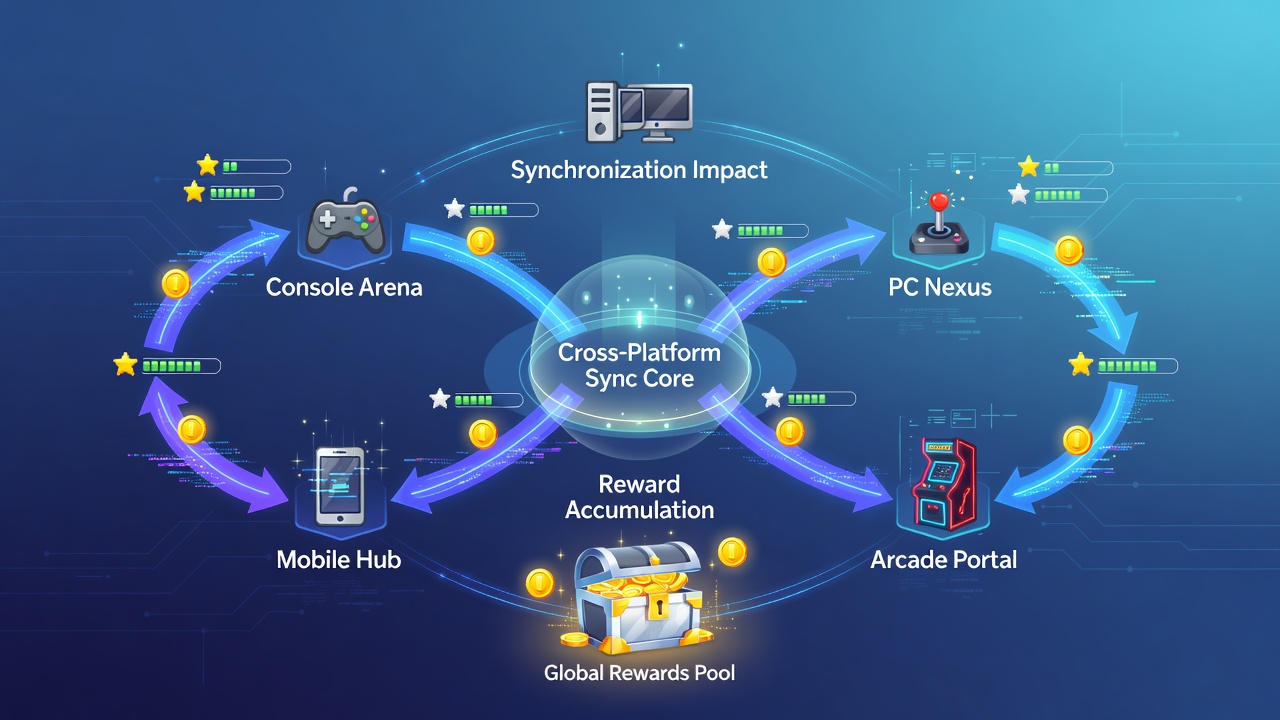
Tracing the Impact of Cross-Platform Synchronization on Reward Accumulation in Multi-Venue Gaming Ecosystems
Multi-venue gaming ecosystems now link physical casinos, mobile applications, and online portals through synchronized platforms that track player activity across locations. These systems consolidate data on bets, wins, and participation to build unified reward profiles. Operators deploy the technology to maintain continuity when users switch between venues, and synchronization protocols pull real-time updates from each endpoint to adjust point balances and tier levels without manual intervention.
Mechanics of Data Sharing Across Platforms
Central servers aggregate inputs from slot machines, table game terminals, and digital interfaces using standardized APIs that push transaction logs every few seconds. When a player completes a session at one property, the accumulated data travels to the shared ledger where algorithms recalculate loyalty multipliers and unlock thresholds. In July 2026 several major operators reported that synchronized networks handled over 12 million daily cross-venue handoffs, a figure drawn from internal telemetry shared at industry briefings.
Encryption layers and token-based authentication prevent duplication while allowing seamless access to the same reward wallet. Researchers at the University of Las Vegas Nevada documented that latency under 200 milliseconds keeps reward displays consistent across devices, reducing player confusion during transitions between land-based and remote play.
Effects on Point Accumulation Rates
Synchronized environments alter how quickly users reach bonus milestones. Points earned at a physical location now combine directly with those generated through mobile sessions, producing faster tier progression. Data from the Nevada Gaming Control Board shows that properties using unified ledgers recorded a 27 percent rise in players achieving mid-tier status within the first quarter of 2026 compared with non-synchronized sites.
Multipliers applied across venues compound the effect. A player who meets volume targets at a downtown casino and then continues on a mobile app receives combined credits that reflect both environments, shortening the path to free play or hotel comps. One operator tracked 4.2 million reward redemptions in the first half of the year and attributed 38 percent of those to cross-platform activity.
Regional Patterns and Implementation Differences
North American markets adopted synchronization earlier than many Asian jurisdictions, yet European operators have accelerated deployment since 2025. The Australian Communications and Media Authority noted in its 2026 compliance review that synchronized systems improved audit trails, allowing regulators to verify reward distributions without separate venue-by-venue reports.
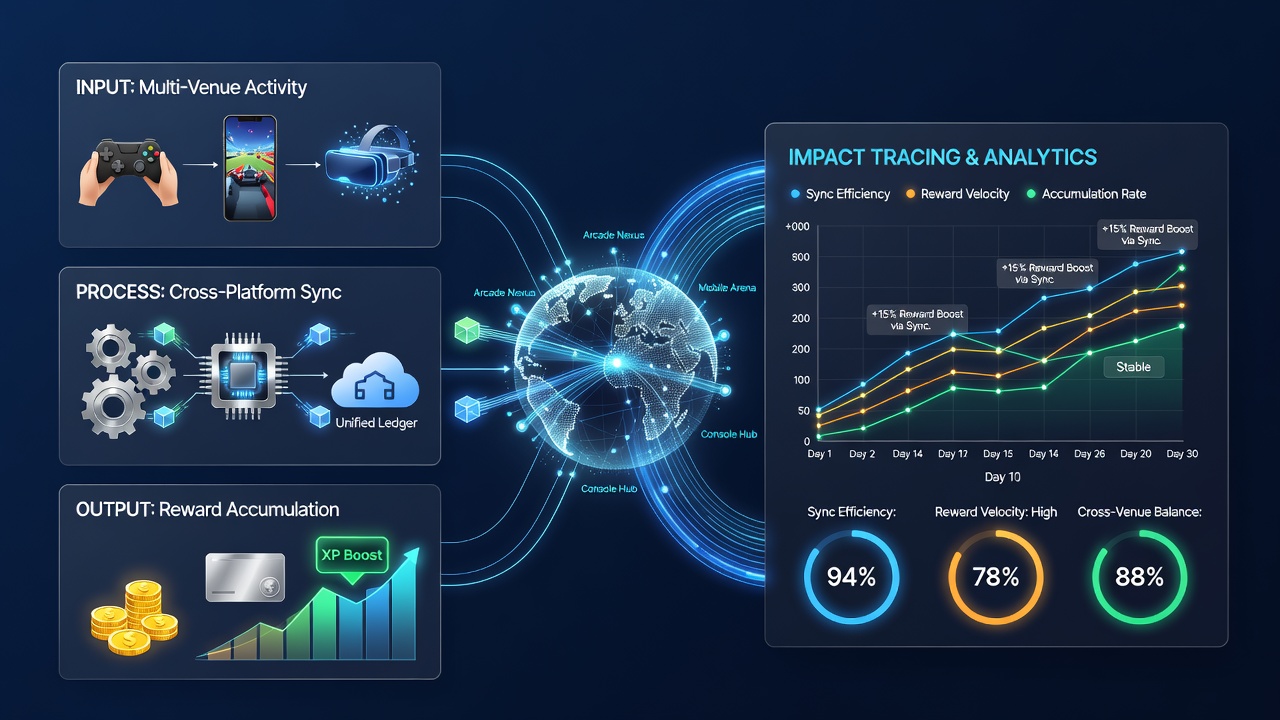
Implementation costs vary by scale. Smaller regional casinos often partner with third-party providers to access cloud-based synchronization, while large integrated resorts maintain proprietary platforms. Both approaches feed into the same reward pools when agreements permit data exchange, creating broader ecosystems that span multiple brands under shared ownership.
Security and Compliance Considerations
Regulators require operators to maintain immutable logs of every point transfer. The synchronization layer must isolate personal data from marketing databases to satisfy privacy statutes in multiple jurisdictions. Observers at the International Association of Gaming Regulators conference in spring 2026 highlighted that standardized testing protocols now include stress checks on reward ledgers to confirm no double-counting occurs during high-traffic periods.
Fraud detection tools scan for irregular patterns such as rapid venue switches followed by large point claims. When anomalies surface, systems can freeze accumulation until verification completes, protecting both operators and players from exploitation.
Conclusion
Cross-platform synchronization has reshaped reward mechanics by unifying activity across physical and digital touchpoints. Operators continue to refine protocols while regulators monitor compliance through shared data standards. As networks expand, the volume of cross-venue transactions and the speed of point accrual both increase, altering how players interact with loyalty programs in multi-venue settings.