Uncovering Connections Between Payment Gateway Innovations and Player Engagement Metrics in Regulated Digital Environments
Iris Coleman · Jul 10, 2026

Uncovering Connections Between Payment Gateway Innovations and Player Engagement Metrics in Regulated Digital Environments
Payment gateway innovations have reshaped how transactions occur in regulated digital environments, and researchers continue to examine their direct ties to player engagement metrics such as session duration, deposit frequency, and retention rates. Data from multiple jurisdictions shows that systems supporting instant bank transfers and tokenized payments often correlate with higher repeat activity levels, while platforms still relying on legacy methods experience slower uptake in certain markets. Observers note that these shifts emerge because modern gateways reduce friction at key moments, allowing users to complete actions without leaving the primary interface. Studies conducted across North American and Asian regulated markets reveal patterns where seamless API integrations between payment processors and gaming operators lead to measurable upticks in average transaction values. For instance, when gateways incorporate real-time verification protocols compliant with local financial rules, platforms report sustained increases in user logins over multi-week periods. This connection becomes clearer when analysts compare pre- and post-implementation data sets from the same operators.Key Innovations Driving Transaction Efficiency
Recent advancements include embedded wallet solutions that link directly to user bank accounts through open banking frameworks, along with dynamic currency conversion tools that adjust in regulated cross-border scenarios. These features operate under strict licensing requirements that vary by region, yet they consistently show up in performance dashboards as contributors to lower abandonment rates during deposit sequences. Figures from industry reports indicate that operators adopting such tools in 2025 experienced average session extensions of 12 to 18 percent compared with baseline periods.
Another development involves machine learning models embedded in gateways that flag suspicious patterns while accelerating legitimate flows, which helps maintain compliance without interrupting user momentum. Those who have reviewed aggregated logs from European operators find that these automated checks coincide with steadier engagement curves, particularly in table game sections where timing matters. The reality is that regulatory bodies in places like Singapore and Ontario have updated their technical standards in recent years to accommodate these capabilities, creating environments where data flows more readily between financial and gaming systems.
Measuring Engagement Through Transaction Data
Player engagement metrics extend beyond simple login counts to include deposit-to-withdrawal ratios and time between funding events, and payment gateway upgrades appear to influence these indicators in consistent ways. Research indicates that when gateways support recurring payment authorizations with user consent, operators observe tighter clusters of activity within individual accounts. This pattern holds across multiple game verticals, suggesting the payment layer exerts influence independent of specific content offerings.
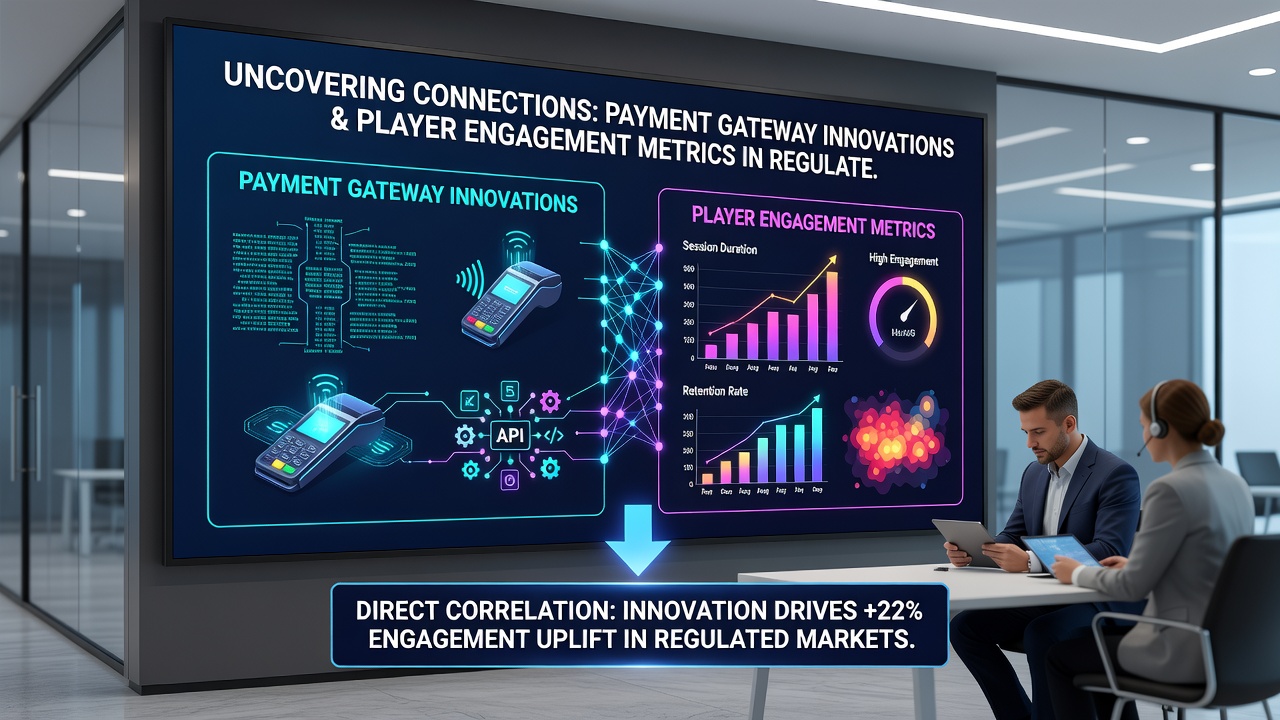
Analysts at academic institutions have begun cross-referencing transaction timestamps with behavioral telemetry to isolate gateway effects from other variables. One study covering licensed platforms in Australia highlighted how faster settlement times aligned with elevated repeat deposit activity during evening peak hours. Similar examinations in Canadian provinces point to parallel outcomes, where reduced processing delays corresponded with extended play intervals without proportional rises in problem gambling flags tracked by responsible gaming tools.
Regulatory Developments Shaping Integration
As of July 2026, several regulatory updates have clarified technical requirements for payment integrations in digital gaming spaces, particularly around data sharing between financial institutions and licensed operators. These adjustments encourage standardized reporting formats that make it easier to correlate payment events with engagement signals over time. Operators in multiple jurisdictions now submit quarterly summaries that include gateway performance indicators alongside traditional metrics, allowing regulators to monitor both compliance and market health simultaneously.
What's interesting is how these reporting mandates have prompted vendors to refine their offerings with built-in audit trails that support both financial oversight and engagement analysis. Platforms operating under the Nevada Gaming Control Board framework, for example, have incorporated gateway modules that feed directly into centralized monitoring systems, creating richer datasets for longitudinal studies. Observers note that such infrastructure changes reduce the lag between transaction events and metric visibility, enabling quicker operational adjustments.
Regional Variations in Adoption and Outcomes
Adoption rates differ notably by region because regulatory timelines and banking infrastructure maturity vary. Markets with established open banking rules tend to see quicker integration of advanced gateways, while others proceed more gradually through pilot programs. Data compiled by the Casino Regulatory Authority of Singapore shows that operators there achieved higher transaction success rates after mandating specific security certifications for payment partners. Parallel trends appear in reports from New Jersey's Division of Gaming Enforcement, where updated guidelines around real-time reconciliation produced comparable lifts in session continuity metrics.
Those examining these patterns across borders find that the strongest connections between gateway features and engagement emerge when both technical and compliance teams collaborate early in the implementation process. This coordinated approach minimizes disruptions that might otherwise mask underlying relationships in the data.
Conclusion
The evidence accumulating from regulated digital environments points to tangible links between payment gateway innovations and shifts in player engagement metrics, driven by reduced transaction friction and enhanced compliance mechanisms. As reporting standards evolve and more operators implement integrated solutions, these connections will likely become even more quantifiable through expanded datasets. Continued monitoring by regulatory agencies and independent researchers will help clarify which specific features deliver the most consistent effects across different market conditions and player segments.